

Keep it Contained: Your Guide to Effective Mold Containment Procedures
Why Containing Mold is the Critical First Step
Mold containment procedures are essential steps that prevent microscopic spores from spreading throughout your property during remediation. When mold is disturbed—whether from breaking moldy drywall, removing contaminated materials, or simply cleaning surfaces—it releases millions of spores into the air, creating a serious risk of cross-contamination to previously unaffected areas.
Essential Mold Containment Procedures:
- Physical Barriers – Install 6-mil polyethylene sheeting to completely isolate the work area from adjacent spaces
- Negative Air Pressure – Use HEPA-filtered air machines to maintain -5 Pascals or more of negative pressure, exhausting contaminated air outside
- Seal All Pathways – Cover HVAC vents, doorways, electrical outlets, and any air communication routes with plastic
- Decontamination Chamber – Create an airlock entry/exit system for full containment (areas over 100 sq ft)
- Appropriate PPE – Ensure workers wear proper respiratory protection and disposable clothing based on contamination level
The level of containment required depends on the size of the affected area: limited containment for 10-100 square feet, and full containment with double-layered barriers for areas exceeding 100 square feet or situations likely to generate high airborne spore counts.
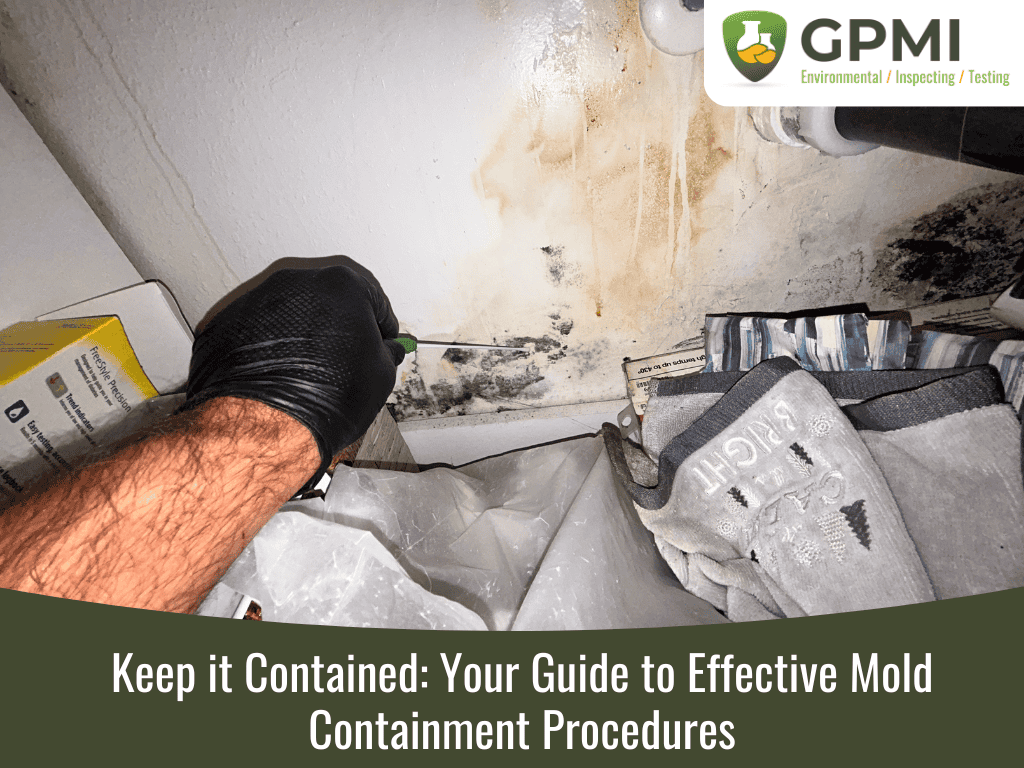
After California’s heavy rains, finding mold from water leaking from walls can be alarming, turning your safe space into a source of stress and potential health issues. The primary goal of containment is to prevent millions of microscopic mold spores from becoming airborne and cross-contaminating unaffected areas of your home during remediation. As reported in publications like the LA Times, uncontrolled mold spread can lead to significant health problems, making proper containment a non-negotiable part of protecting your family’s well-being.
The risks of inadequate containment are significant. Without proper isolation and negative air pressure, disturbing mold can release up to 1,000,000 spores per square inch of visible contamination—and fungal fragments can outnumber spores by 320 times. This can lead to a failed remediation, continued exposure to allergens and mycotoxins, and the need for more extensive, costly repairs down the line.
Proper mold containment is often the difference between a clean, successful remediation and mold that keeps spreading into other parts of the home. Effective containment isolates the work area, controls airflow, and helps prevent disturbed spores from traveling through the property. Independent post-remediation verification adds an extra layer of confidence by confirming the area was cleaned properly and is safe to reoccupy.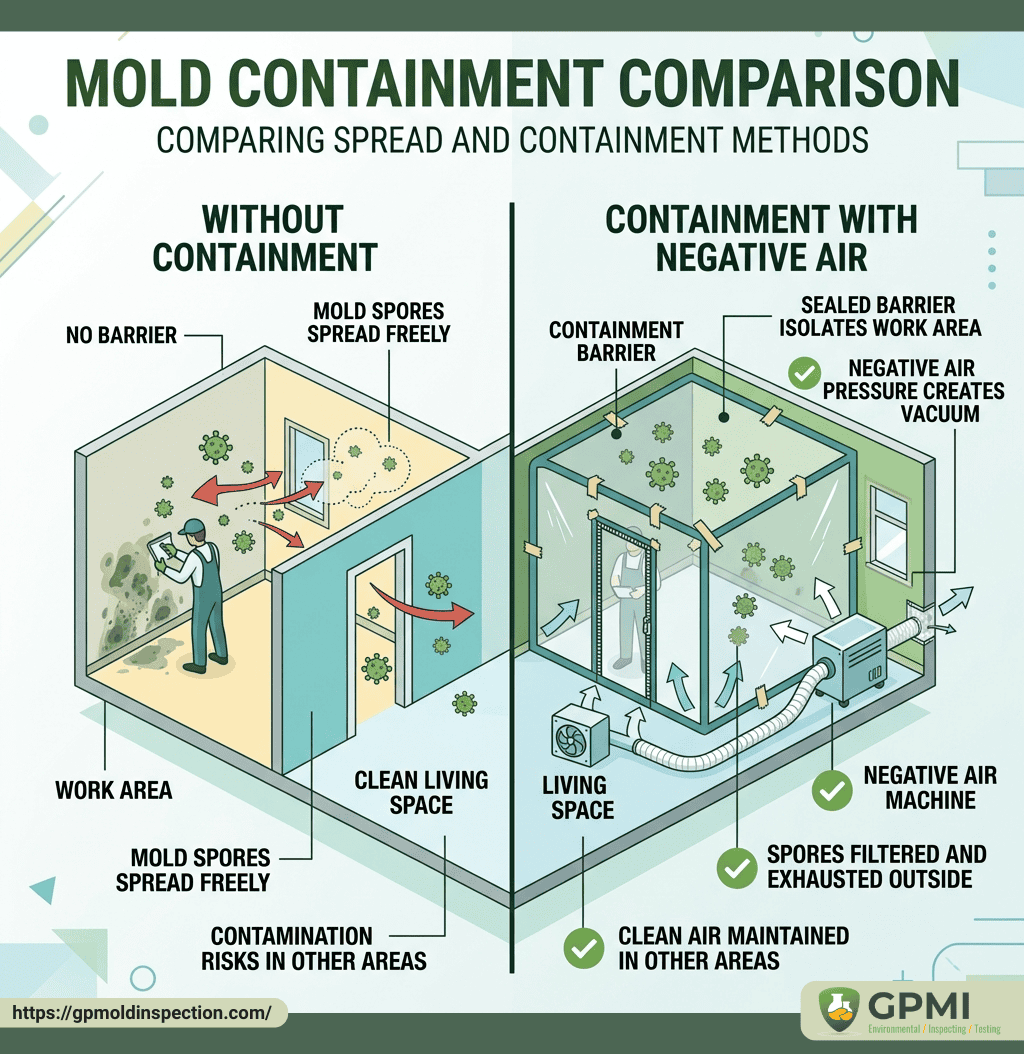
A Guide to Professional Mold Containment Procedures
The science of mold remediation is precise, and professional mold containment procedures are designed to systematically isolate the problem. This isn’t just about putting up plastic; it’s about controlling airflow and protecting your entire property. An independent mold inspection is the first step to determine the necessary scope.
When we approach a mold remediation project, our first priority is always to protect the health of occupants and prevent further spread of mold. Mold spores are microscopic and can easily become airborne, traveling through your home’s HVAC system, open doorways, or even on clothing. This is why proper containment is the foundational step in any effective mold remediation plan. We treat each inspection as if it were for our own family, understanding the deep connection between your indoor environment and your family’s health.
Understanding the Levels of Containment
Containment isn’t one-size-fits-all; the level is determined by the size of the contaminated area, the type of materials affected (e.g., drywall vs. plaster), and professional judgment. The EPA, in its guidance, outlines two primary types of containment: Limited and Full. Professional judgment is crucial here, as factors beyond just square footage, such as the intensity of mold growth or the presence of sensitive populations, can lift the required containment level. For instance, even a smaller area with highly active, visible mold might warrant a more robust containment strategy.
Limited Containment: This level is generally used for areas involving between 10 and 100 square feet of mold contamination. It typically involves a single layer of 6-mil polyethylene sheeting to create a physical barrier around the affected area. Key steps include sealing doorways, windows, and all HVAC supply and return vents within the containment zone. This setup is ideal for issues like a contained attic mold problem, a moldy section of drywall from a minor leak, or mold on carpet in a small area. The goal is to isolate the workspace and minimize the release of spores into adjacent, unaffected spaces.
Full Containment: This more extensive approach is required for areas larger than 100 square feet of mold contamination, or in cases where it’s highly likely that mold spores could spread throughout the building during remediation. Full containment demands double layers of polyethylene sheeting, often secured with duct tape to floors and ceilings, or built with stud frames for improved stability. A critical component of full containment is the establishment of a decontamination chamber or airlock. This chamber acts as a buffer zone for workers to enter and exit, allowing them to remove contaminated Personal Protective Equipment (PPE) safely before leaving the contained area, thus preventing cross-contamination. This level of containment is common for extensive mold in basements, crawl spaces, or after significant rain water intrusion mold events that affect large portions of a property.
| Containment Type | Area Size (Square Feet) | Materials Used | Application |
|---|---|---|---|
| Limited | 10 – 100 sq ft | Single layer of 6-mil polyethylene sheeting, duct tape, zippered entryways | Small, localized mold growth (e.g., a patch on a wall, a section of flooring); areas where mold is unlikely to spread easily; minimal dust/spore generation expected. |
| Full | > 100 sq ft | Double layers of 6-mil polyethylene sheeting, stud frames, duct tape, airlock/decontamination chamber, HEPA-filtered negative air machines | Extensive mold growth; situations with high potential for airborne spore release (e.g., disturbing large mold colonies, invasive procedures); remediation in sensitive environments; when intense or long-term exposures are expected; to protect adjacent occupant spaces from further contamination. |
| Extensive | > 100 sq ft | Similar to Full, with more rigorous control, often involves professional industrial hygienists | This category from some guidelines aligns closely with Full Containment, emphasizing the need for comprehensive remediation plans, including work area isolation, HEPA filtration exhaust fans, and airlocks/decontamination rooms, especially when the contamination is widespread or highly visible. |
Key Steps for Setting Up Physical Barriers and Negative Air
This is where building science comes into play. The goal is to create an isolated work area where the air pressure is lower than the rest of the house, ensuring all airborne particles are controlled and exhausted outside. Our approach integrates robust engineering controls to safeguard your property and its inhabitants.
Physical Barriers: We use durable 6-mil polyethylene sheeting, which is the recommended material for creating effective containment. This sheeting is carefully installed to completely enclose the work area, creating a sealed environment. Tension poles are often used to create free-standing plastic walls, securing the sheeting to the ceiling, walls, and floor. All seams are overlapped and sealed with high-adhesion tape, such as duct tape, to prevent any air leakage. For necessary access, zippered entryways are created, allowing workers to enter and exit without compromising the integrity of the containment. The aim is to achieve a mold-tight seal, ensuring no spores escape.
Sealing Pathways: Beyond the main barriers, it’s crucial to address all potential air pathways. All HVAC supply and return vents within the containment zone are carefully sealed off with plastic sheeting and tape. This critical step prevents mold spores from entering your home’s central air system and being distributed throughout the entire property, potentially causing mold growth in the Coronavirus Pandemic and HVAC Systems. Other pathways, such as electrical outlets, light fixtures, and pipe chases, are also carefully sealed to prevent any air communication between the contaminated area and unaffected spaces.
Negative Air Pressure: This is a cornerstone of effective mold containment. A HEPA-filtered air machine, often referred to as an “air scrubber” or Negative Air Machine (NAM), is strategically placed within the containment zone. This machine pulls air from the contained area and exhausts it outdoors, away from occupied spaces. By pulling more air out of the space than is allowed in, it creates negative pressure. The S520 standard, a widely recognized guideline in our industry, recommends that containment should be under -5 Pascals or more of negative air pressure. We verify this negative pressure using specialized equipment like a manometer, which measures the pressure differential. When correctly established, the plastic sheeting of the containment area should billow inward, indicating that contaminated air is being drawn into the containment and filtered, rather than escaping into your home. HEPA filters are vital here, as they capture 99.97% of particles as small as 0.3 micrometers, ensuring that exhausted air is clean. This process not only prevents cross-contamination but also helps to dry the area, as moist, contaminated air is constantly removed.
More info about the EPA’s guidance on containment
Essential Personal Protective Equipment (PPE) for Remediation
Protecting workers is just as important as protecting your home. The level of PPE corresponds to the level of contamination and the remediation activities being performed. We adhere strictly to OSHA guidelines and industry best practices to ensure the safety of our team members, who are often exposed to high concentrations of mold spores and mycotoxins during remediation. Actions like breaking moldy porous materials, performing invasive procedures in wall cavities, or stripping wallpaper are all likely to stir up significant quantities of mold spores, necessitating robust PPE.
Minimum PPE: For small, contained jobs involving less than 10 square feet of mold with minimal dust generation, minimum PPE is required. This includes a NIOSH-approved N-95 respirator, which filters out 95% of airborne particulates. Additionally, workers wear gloves to protect their hands from direct contact with mold and cleaning solutions, and goggles or other eye protection to shield against airborne spores and debris. This level of protection is appropriate for tasks where direct mold disturbance is limited.
Limited PPE: When dealing with medium-sized projects (between 10 and 100 square feet of mold contamination), or when moderate dust and spore generation is expected, the PPE requirements increase. This involves a half-face respirator equipped with HEPA filters (N, R, or P-95), which offers a higher level of respiratory protection. Workers also wear disposable coveralls to prevent mold spores from clinging to their clothing and being carried out of the containment zone. Sealed goggles provide comprehensive eye protection, preventing airborne particles from entering. Long gloves that extend to the middle of the forearm are also recommended, especially when using cleaning solutions.
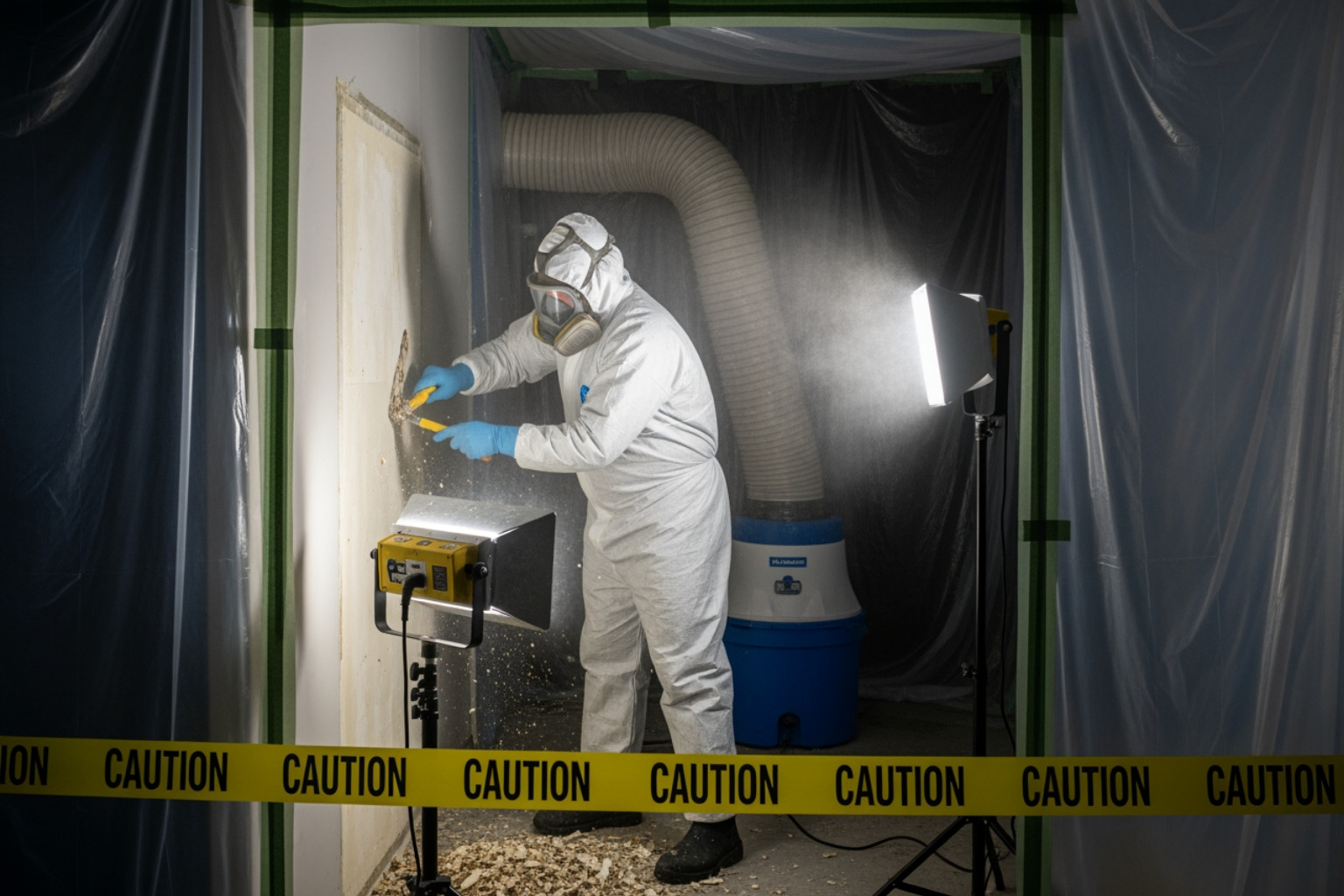
Full PPE: For large-scale remediation projects involving over 100 square feet of mold contamination, or in situations where high levels of airborne dust, mold spores, or mycotoxins are likely, full PPE is mandated. This includes a full-face respirator, which provides both respiratory and eye protection, or a powered air purifying respirator (PAPR) with a HEPA filter. PAPRs provide a continuous flow of filtered air, creating positive pressure within the hood and preventing unfiltered air from entering. Workers wear disposable full-body suits, often with head and foot coverings, to ensure complete skin protection. Gaps around ankles and wrists are often sealed with duct tape for added security. A decontamination chamber or airlock is used in conjunction with full PPE, allowing workers to safely remove and bag contaminated clothing and equipment (except respirators, which are removed outside the airlock) before exiting the work area. This comprehensive approach is vital for protecting workers from potential health issues such as lung agitation from Coronavirus and Mold or other respiratory illnesses.
After Containment: Verification is Key
Setting up containment is just the beginning of the remediation process. Once the mold is removed and the area is cleaned, how do you know the job was successful? You can’t rely on sight alone. This is where independent, third-party verification becomes essential. Many mold problems, especially in areas like Southern California with its unique construction challenges, can be hidden. Visual inspections are often insufficient, and we advocate for a systems-based approach that connects environmental testing with potential health symptoms.
Independent, third-party verification is what turns “we think it’s fixed” into “we know it’s safe.” An unbiased inspection before and after remediation helps confirm the containment actually worked and that your indoor air quality is back to a reasonable, healthy baseline. Because this kind of assessment is performed separately from remediation, there is no incentive to downplay results or “pass” a job that is not truly clean.
The goal is simple: provide objective environmental data you can use to make confident decisions about reoccupying the space and, if needed, to share with your physician. While an inspector cannot diagnose or treat medical conditions, clear reporting and reliable lab data can help support medical conversations, and referrals to physicians familiar with mold-related illness may be available when appropriate.
Next Step: A Post Remediation Clearance test is the only way to scientifically confirm that the remediation was successful and your home is safe to reoccupy. This involves thorough visual inspections, moisture readings, and often air and surface sampling to ensure that mold spore counts have returned to normal baseline levels, effectively conquering the fungi. This final, independent assessment gives you the peace of mind that your property is truly healthy and safe for your family.
Conclusion: Get the Data You Need to Reoccupy with Confidence
Containment helps keep spores from spreading during remediation, but verification is how you know the remediation actually worked. Guaranteed Property and Mold Inspections provides independent, third-party testing and clear documentation you can share with your remediator or physician to connect environmental conditions to health concerns like sick building syndrome or neurological symptoms of mold exposure. With more than 22 years of experience, we also know how common California construction details (stucco exteriors, slab foundations, and typical leak points) can create recurring moisture, so you can fix the source problem, not just the visible growth.
If you want confidence before you rebuild and reoccupy, schedule a professional Post Remediation Clearance and get results you can trust.
Guaranteed Property & Mold Inspections serves homeowners across Southern California, including Orange County and Los Angeles County, plus Irvine, Newport Beach, Laguna Beach, and the nearby areas in Southern California.
References
- CDC – https://www.cdc.gov
- EPA – https://www.epa.gov/
- LA Times – https://www.latimes.com