★ Certified Mold & Environmental Inspection Since 1998  |  ACAC & IICRC CertifiedServing Orange County & Southern California  |  (949) 239-3727
Commercial HVAC mold inspection in Irvine
Commercial Inspection

Independent commercial mold inspection

For offices, retail, multifamily, hospitality, and institutional property, we deliver independent assessment, lab-based testing, and documentation that stands up for property managers, tenants, insurers, and counsel, scheduled around your operations.

ACAC & IICRC CertifiedIndependent, No Remediation UpsellAccredited-Lab Reporting
Commercial Mold Inspection

Documentation owners, tenants, and insurers trust

Commercial buildings need documentation that satisfies owners, tenants, insurers, and sometimes counsel. Independent, lab-based findings from a firm that does not sell remediation carry the credibility those parties require.

Commercial mold inspection in Orange County
What you get

Scaled to the building, scheduled around you

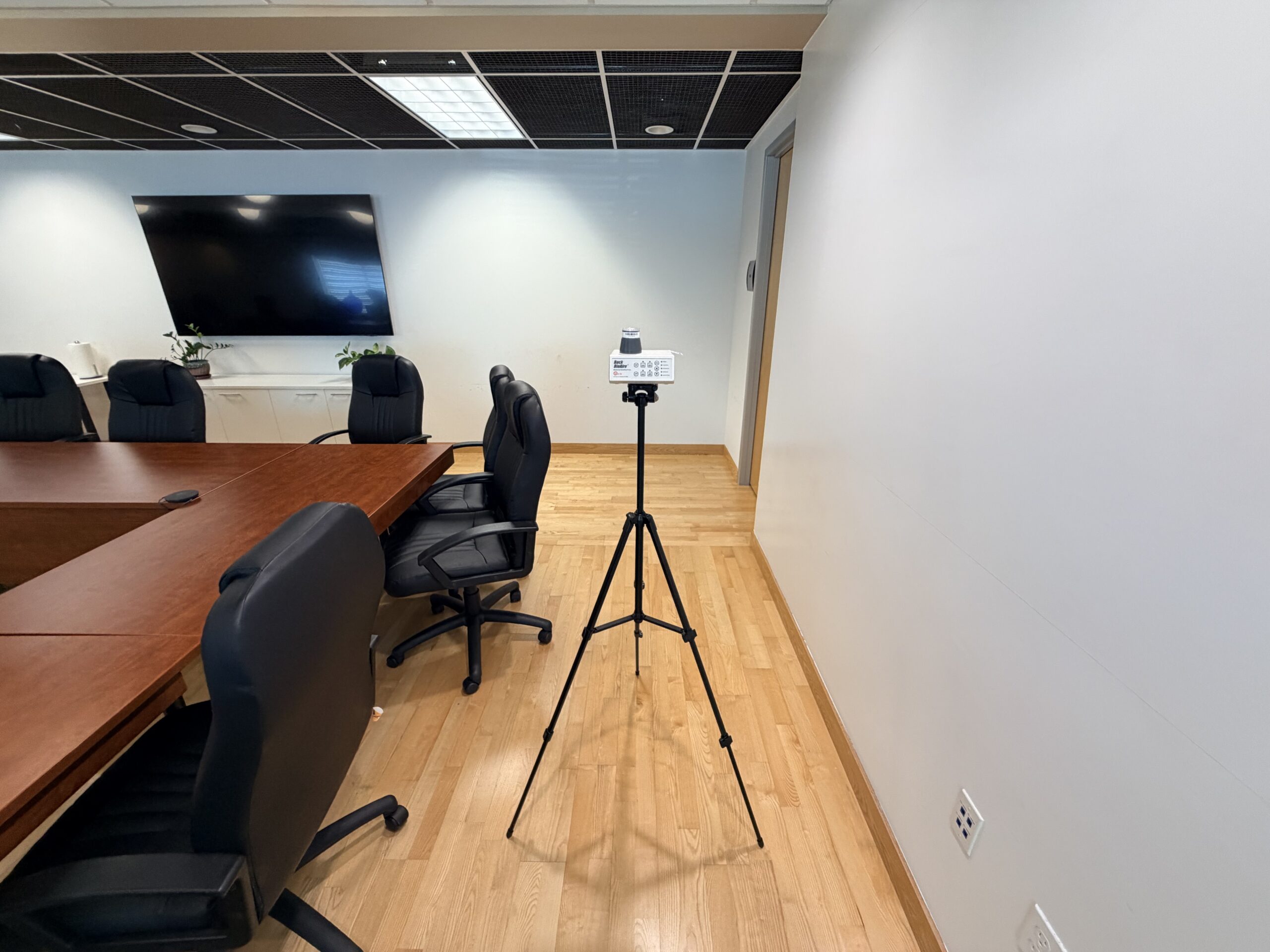
We assess the property and its HVAC where warranted, sample to a plan sized for the building, and phase the work around your operations, including after-hours where needed.
Offices, retail & multifamilyHVAC mold & air qualityWorks around operating hoursManager- & counsel-ready reports
Book an Inspection
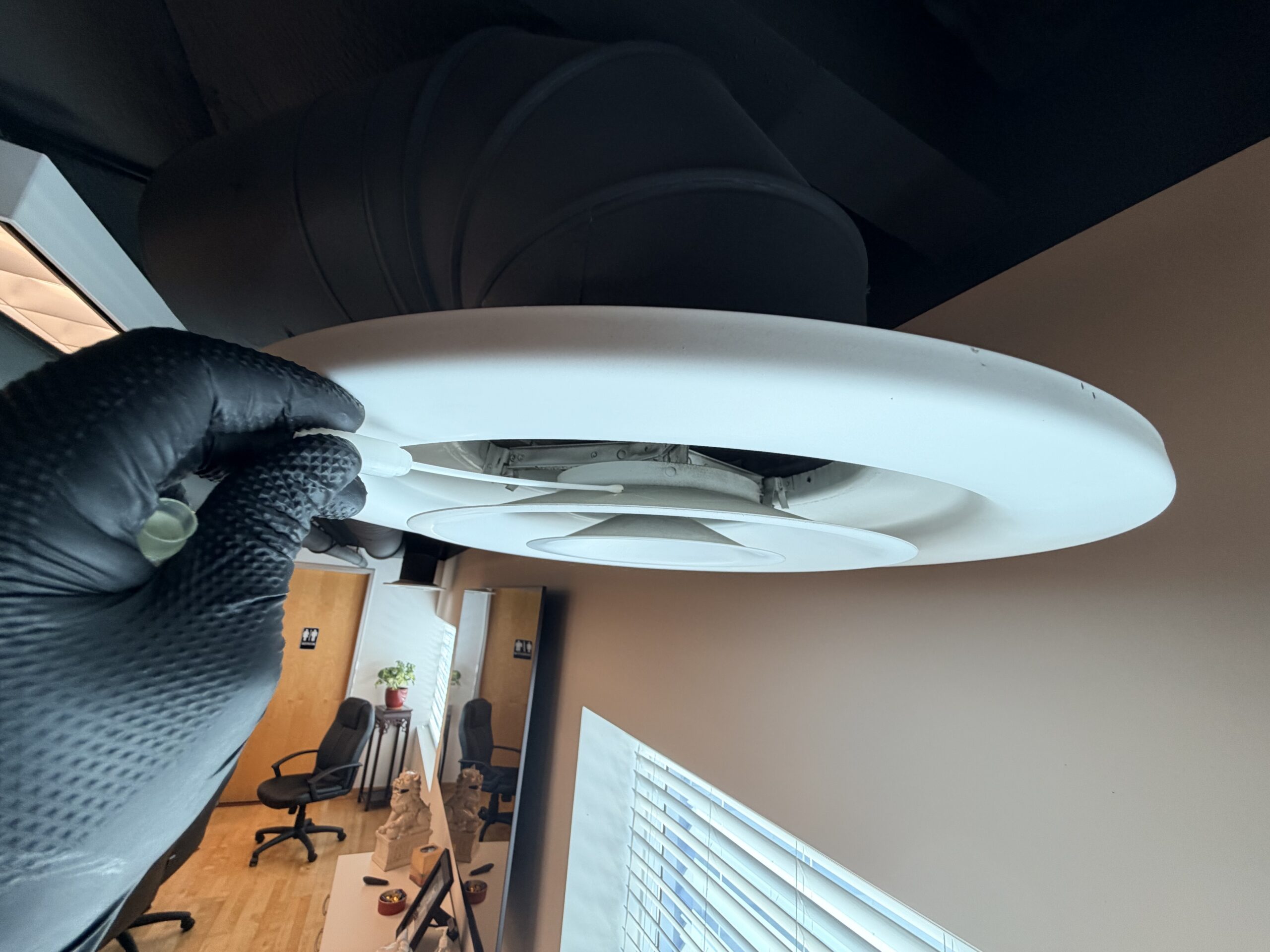
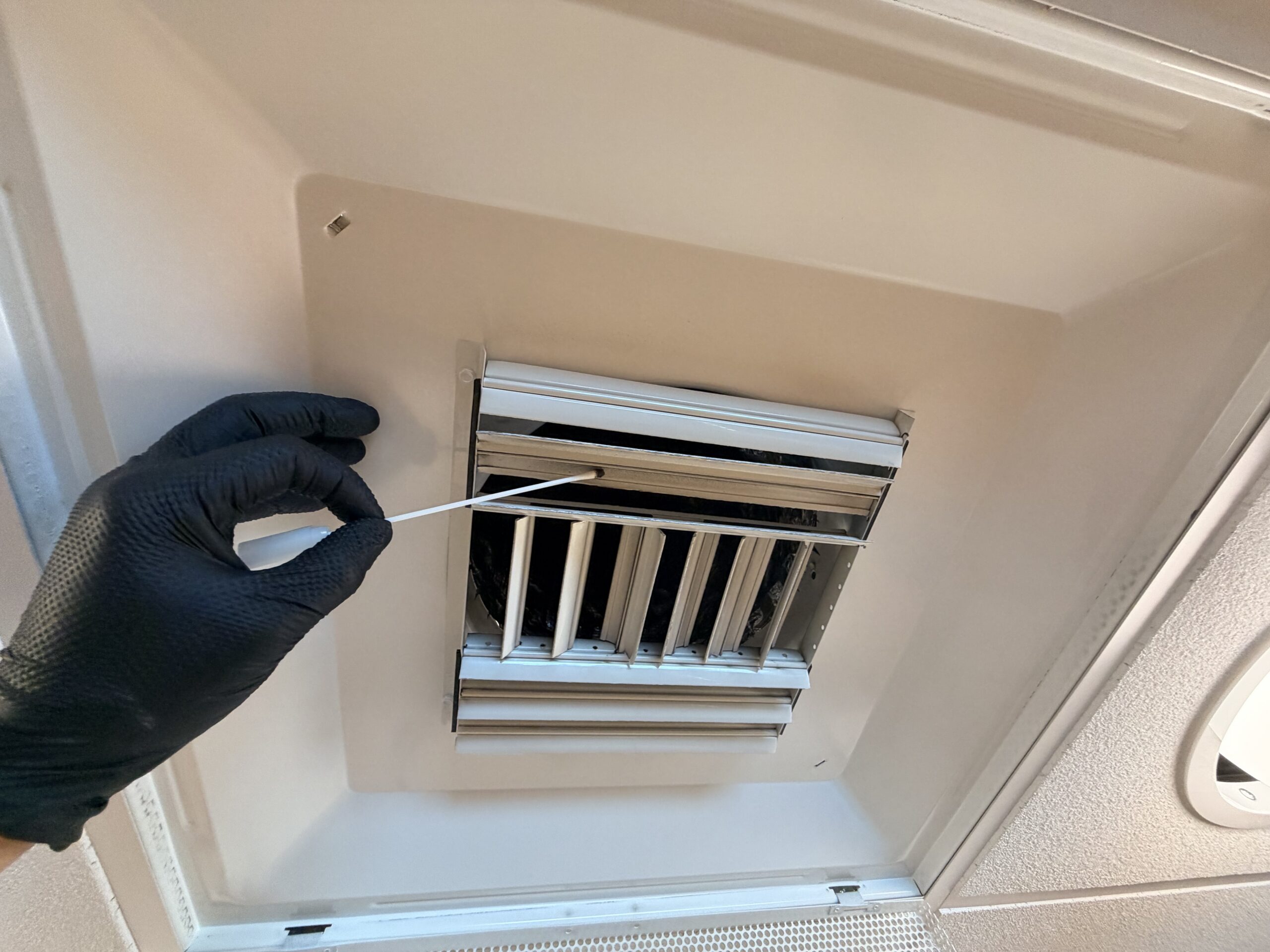
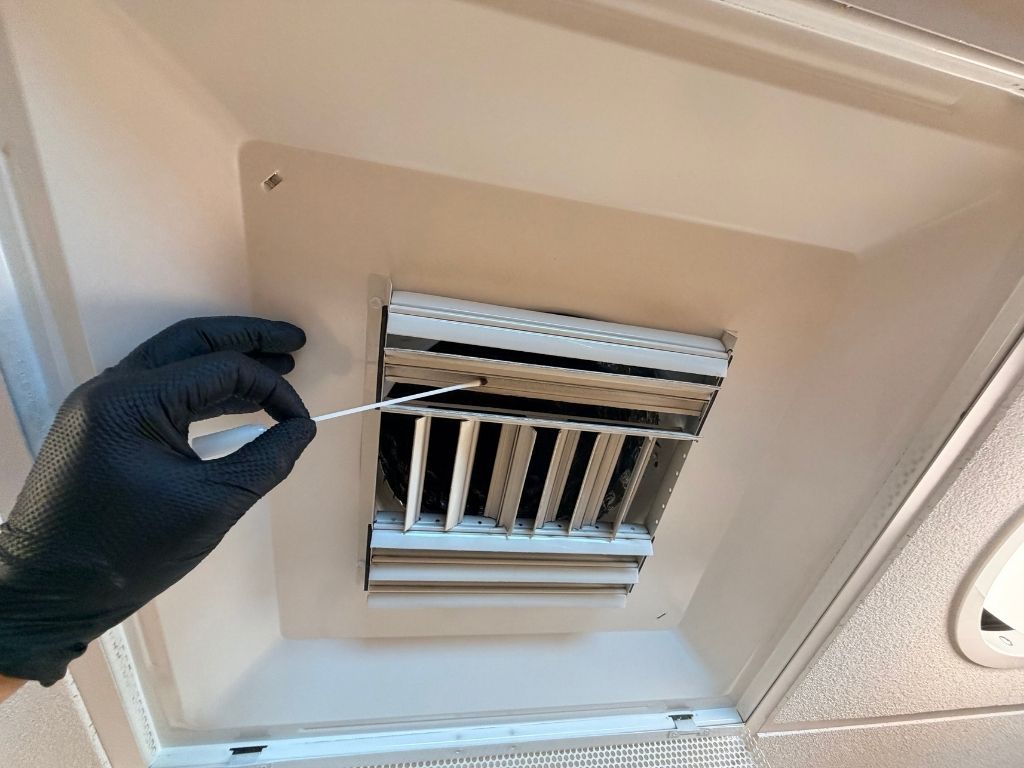
Air return vents swab tested for mold in a commercial property
Recent Work

Commercial inspections in the field

Real GPMI field work, straight from our inspections across Orange County and Southern California.

Built for the building you manage

Scaled to the property, documented for every party

We scale the inspection and sampling plan to the size and use of the building, and phase the work around your operations, including after hours where needed.

Facilities we serve

  • Offices and retail
  • Multifamily and apartment buildings
  • Hotels and hospitality
  • Medical and care facilities
  • Schools, churches, and warehouses
  • Property-management portfolios

What the inspection includes

  • Visual survey and moisture mapping
  • Thermal imaging of concern areas
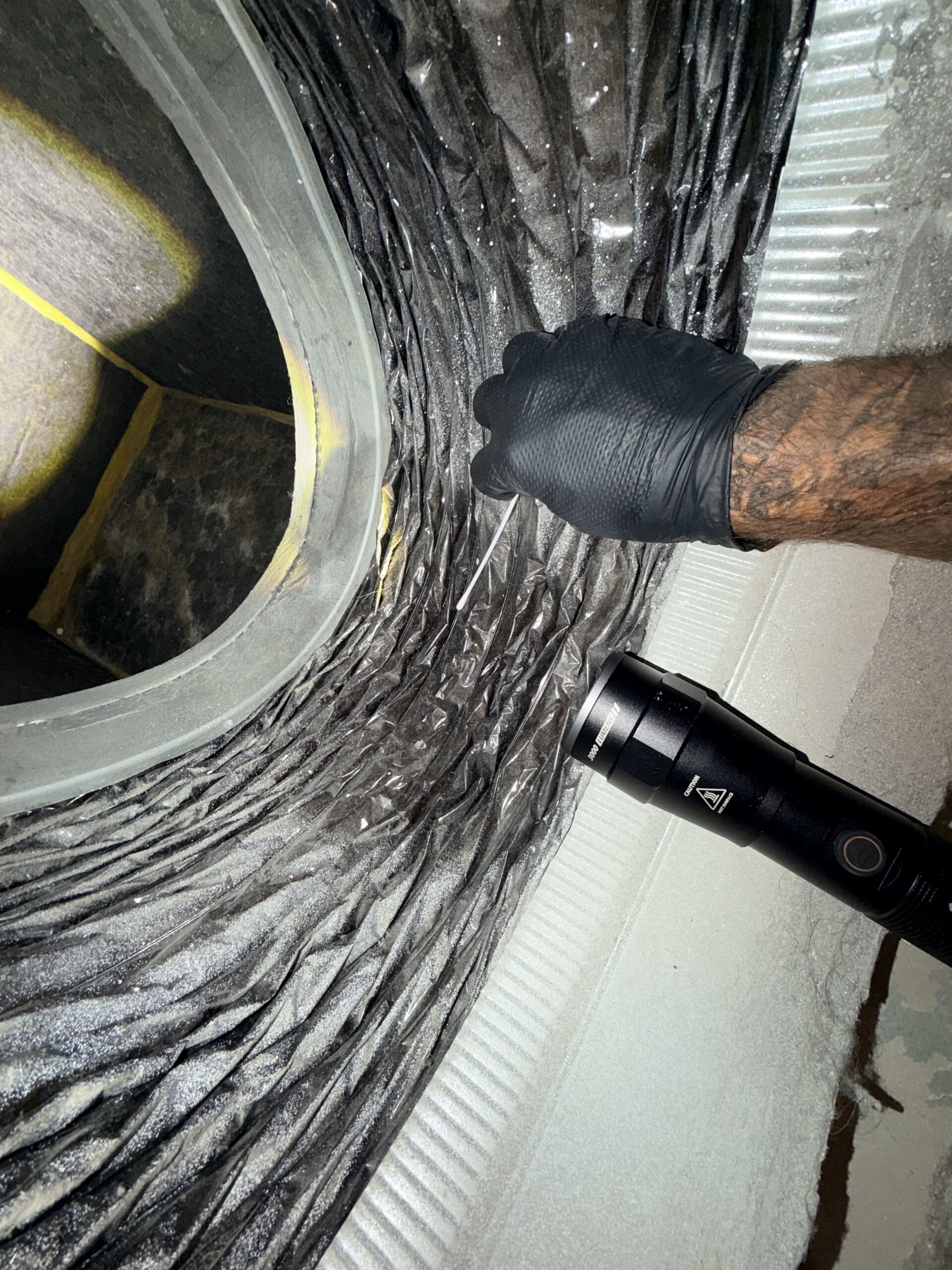
  • HVAC and air-return sampling
  • DNA and ERMI sampling where warranted
  • 24-hour laboratory results as needed
  • A scope-of-work report with recommendations

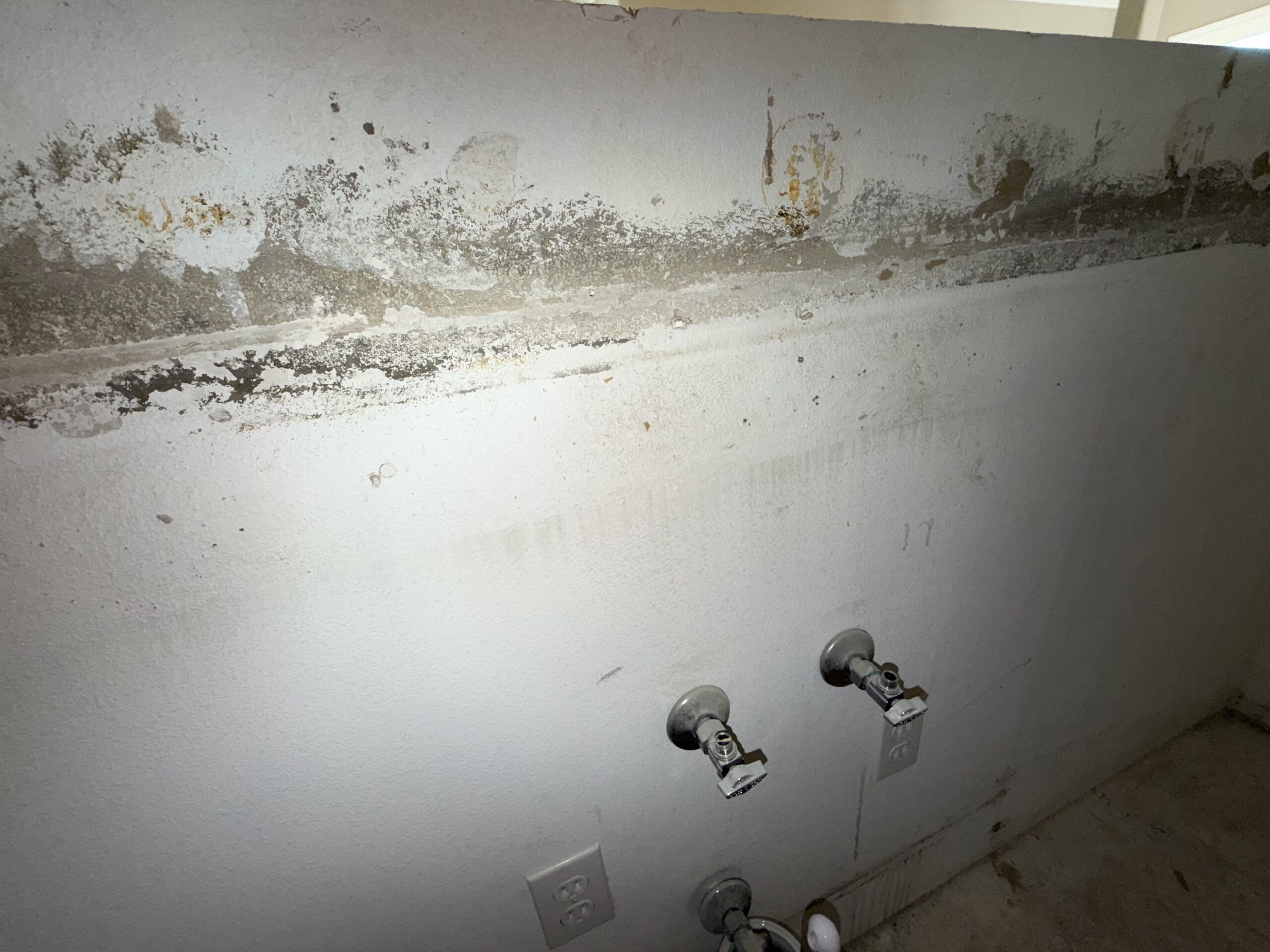
Signs a commercial building needs testing include musty odors, water stains, employee health complaints, recent water damage, and humidity above 60 percent. Most testing takes a few hours and does not interrupt operations.

GPMI inspector documenting findings during an inspection

How your inspection works, in three steps

1

Schedule Your Inspection

Tell us what you are seeing or dealing with, and we book you the soonest appointment, often same-day, at a clear, itemized price.

2

On-Site Inspection & Sampling

We assess the property, locate the moisture source with meters and thermal imaging, and collect the air or surface samples the situation calls for.

3

Lab Report & Next Steps

An accredited lab analyzes the samples and you get a written report with the findings and clear next steps you can act on.

Why GPMI

Independent, so the findings stay honest

We inspect and test only, and never sell remediation, so what our report says is driven by the property, not by a cleanup we are trying to sell you. That independence, backed by accredited-lab analysis and our certifications, is why homeowners, buyers, attorneys, physicians, and insurers rely on our findings.

No remediation upsellAccredited-lab resultsCertified since 1998
Joseph Gutierrez, GPMI founder and Council-certified Structural Mold Investigator
Reviews

Rated 4.9 across 161 Google reviews

Orange County homeowners, buyers, and property managers on the inspection, the report, and the straight answers.

Read Our Reviews
When to call

When a commercial building needs an assessment

Facility managers usually call after the second complaint. Waiting costs more, because mold growth can begin within 24 to 48 hours of water intrusion and spreads through wall cavities long before anything is visible.

The 6 situations we are called for

  • Recent water damage from a roof, a supply line or a fire suppression discharge
  • Musty odors in a suite with no visible growth
  • A tenant complaint, sometimes with an attorney already involved
  • Pre purchase or pre lease due diligence
  • Clearance testing after remediation, before reoccupancy
  • Regulatory compliance, or an insurance carrier asking for documentation

What the findings have to survive

On a commercial property the reader of the report may be a tenant’s lawyer, an adjuster or a regulator. That is why the documentation standard matters as much as the sampling. Our approach to forensic documentation applies to every commercial job, and the same reports support referring attorneys through deposition without being rewritten.

Method

How we find what nobody can see

Moisture, thermal imaging and the building envelope

Moisture meters read the material directly. Infrared cameras reveal cooler areas that suggest hidden moisture behind a finish. Thermal imaging points, it does not prove, so every anomaly is confirmed with a meter before it reaches the report.

We also trace active leaks to a source. A building dried 2 years ago and a building still wet today look identical on the wall and call for opposite responses.

The heating and cooling system

Cool metal and moving air produce condensation. Growth near a return in the HVAC system distributes spores through every occupied floor each time the equipment runs, which is why a single suite rarely stays a single suite. Indoor air quality testing separates a humidity problem from a leak, and laboratory analysis names what is actually present.

Buildings running above 60 percent relative humidity through a warm season see growth start in exterior wall assemblies and behind casework, with no single leak behind it.

Occupied buildings

Multi-tenant properties, scheduled around your tenants

In occupied office buildings we schedule around business hours, coordinate access with property management, and keep tenant communication in your hands rather than ours.

We inspect and test only. We never perform remediation and take no fee from any company that does, which is the whole reason a landlord, an insurer and a tenant can all rely on the same document. That independence is what a report is worth in a dispute. For the wider picture on what unmanaged growth costs a building, see our article on commercial building mold risks.

Questions

Commercial inspection FAQ

Straight answers from a certified, independent team.

What types of commercial property do you inspect?
Offices, retail and restaurants, multifamily and apartment buildings, hotels and hospitality, medical and care facilities, schools, churches, warehouses, and property management portfolios. We scale the inspection and the sampling plan to the size and use of the building rather than applying a residential template to a fifty thousand square foot floor plate.
Can we stay open during the testing?
Yes, in almost every case. Most commercial testing takes a few hours and does not disrupt operations, and we schedule around your business hours, including after hours and weekends where the space cannot be interrupted. Tell us the operational constraints on the first call and we will build the visit around them.
Why does a commercial building need independent testing rather than a contractor's assessment?
Because of who has to accept the answer. In a commercial building the documentation has to satisfy an owner, tenants, an insurer, sometimes a lender, and sometimes counsel, and every one of them will look at who wrote it and what they had to gain. A report from a firm that does not sell remediation removes the first question anyone asks, which is whether the finding was written to sell the fix.
Our employees are complaining about the air. Do we have to test?
Nothing legally compels it in California, and there is a strong practical reason to. Complaints that go unaddressed escalate, and they escalate into claims, and the file at that point contains whatever you did or did not do when you first heard about it. An independent assessment either finds a real problem while it is still cheap, or gives you documented evidence that the building was assessed properly, and both outcomes are better than the third one.
What documentation do we receive?
A written report with the inspection findings, moisture mapping, the accredited laboratory sampling results, what they mean, and recommended next steps, formatted so that a property manager, an insurer, and legal counsel can each rely on it. For portfolio clients we keep the format consistent across properties so results can be compared year over year rather than read one at a time.
Do you assess mold in the heating and air conditioning system?
Yes, and in a commercial building it is often the whole story. A contaminated air handler, a wet return plenum, or a coil condensate problem will distribute spores across an entire floor, which is why complaints cluster in rooms with no visible issue in them. We assess the system and sample the air it delivers where that is warranted.
What are the signs a commercial building should be tested?
Musty odors, water stains or ceiling tile staining, employee or tenant health complaints, any recent water damage or roof leak, and relative humidity persistently above sixty percent. Humidity is the one most facilities can measure themselves for almost nothing, and it is the most reliable early warning you have.
How often should a commercial building be tested?
Annual preventive testing is a reasonable baseline for most buildings, with immediate testing after any water event, when occupants report symptoms, before a transaction, and after any remediation. High risk facilities, meaning medical, care, food service, and buildings with known envelope or plumbing history, may warrant quarterly or semi-annual checks.
We have a dispute between tenants and ownership. Can you help?
We provide the objective inspection and testing that such disputes turn on, and where it is needed, expert witness consultation. What we do not do is take a side. Both parties get the same facts, which is usually what allows a dispute to be resolved rather than escalated, and it is the reason our findings are accepted by parties who arrived expecting to fight.
How much does a commercial inspection cost?
It scales with the size and use of the building and the sampling plan the property calls for, and we size the scope to the property and give you a clear price before we begin. For portfolio work we will quote a program rather than pricing each building as a separate emergency.
We are a condominium association. Who is responsible for mold, us or the owner?
That depends on your governing documents and on where the water is coming from, and it is one of the most common and most expensive arguments in shared ownership property. What settles it is usually not the mold, it is the source. Establishing whether the water originates in a common element such as a roof, a shared wall, or a building supply line, or inside the unit, is what determines responsibility, and documenting it independently is what stops the argument going in circles.
Request an inspection

Book your inspection

Tell us what you are dealing with and we will book you the soonest available certified, independent inspection, often same-day.

Prefer email? info@gpmoldinspection.com

Healthy homes, trusted answers. GPMI independent mold and environmental inspections.

Need a commercial inspection?

Book a certified, independent inspection and get an objective, lab-backed report you can act on.

Privacy Policy · Terms of Use · Manage Cookies · Website by Outdooit · Digital Marketing for Home Services
Call NowBook an Inspection