★ Certified Mold & Environmental Inspection Since 1998  |  ACAC & IICRC CertifiedServing Orange County & Southern California  |  (949) 239-3727
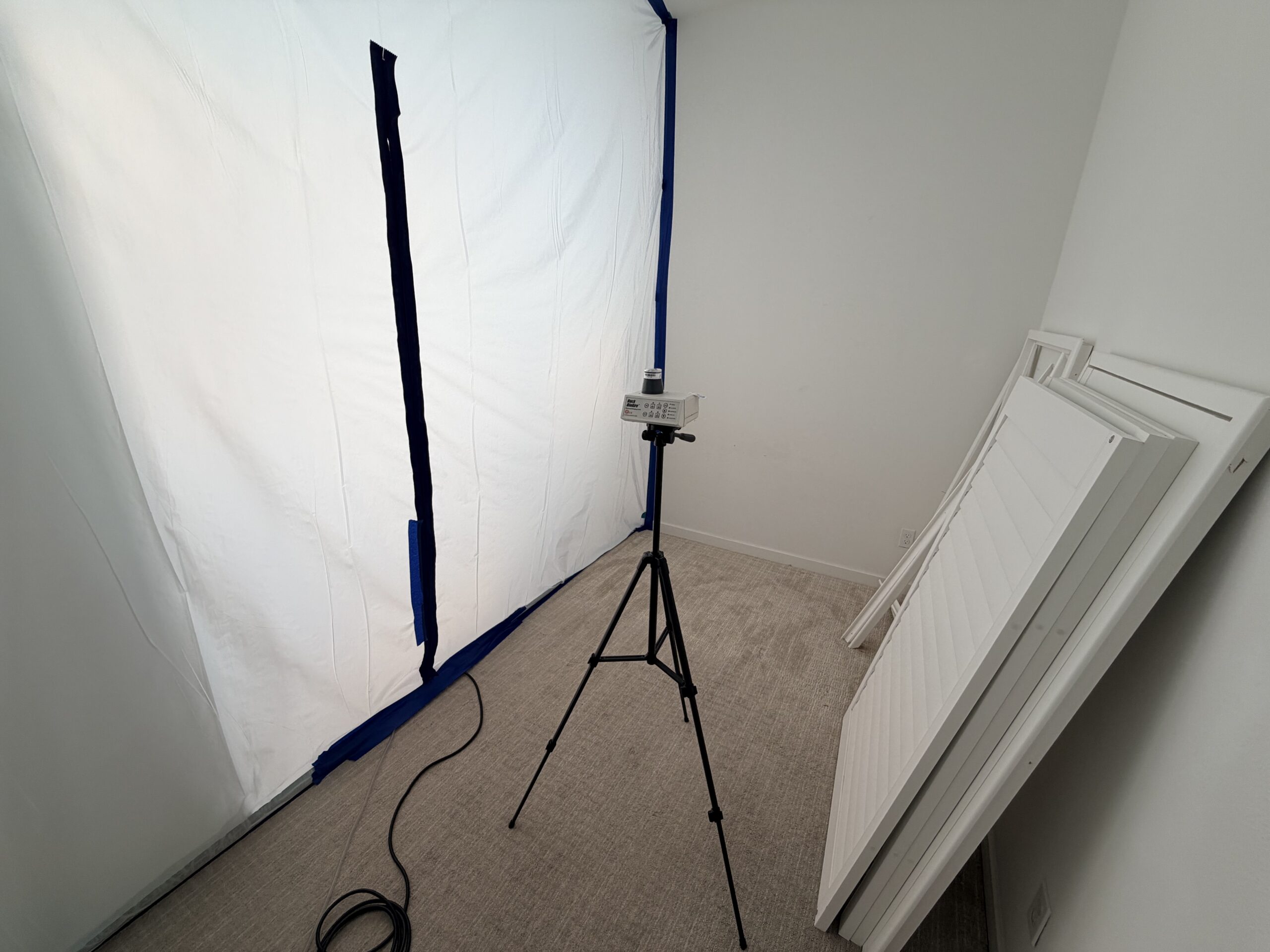
Indoor air quality sampling pump
Air Quality Testing

Indoor air quality testing, measured not guessed

Air sampling for mold spores, volatile organic compounds (VOCs), and other indoor contaminants, analyzed by an accredited lab, with a report that explains what the numbers mean for your home or building.

ACAC & IICRC CertifiedIndependent, No Remediation UpsellAccredited-Lab Reporting
Indoor Air Quality Testing

Turn a vague concern into measured data

Whether it is a musty smell with no visible source, unexplained symptoms, recent water damage, or a fresh remodel, testing measures the mold spores and VOCs in your air against a baseline so you can act on facts.
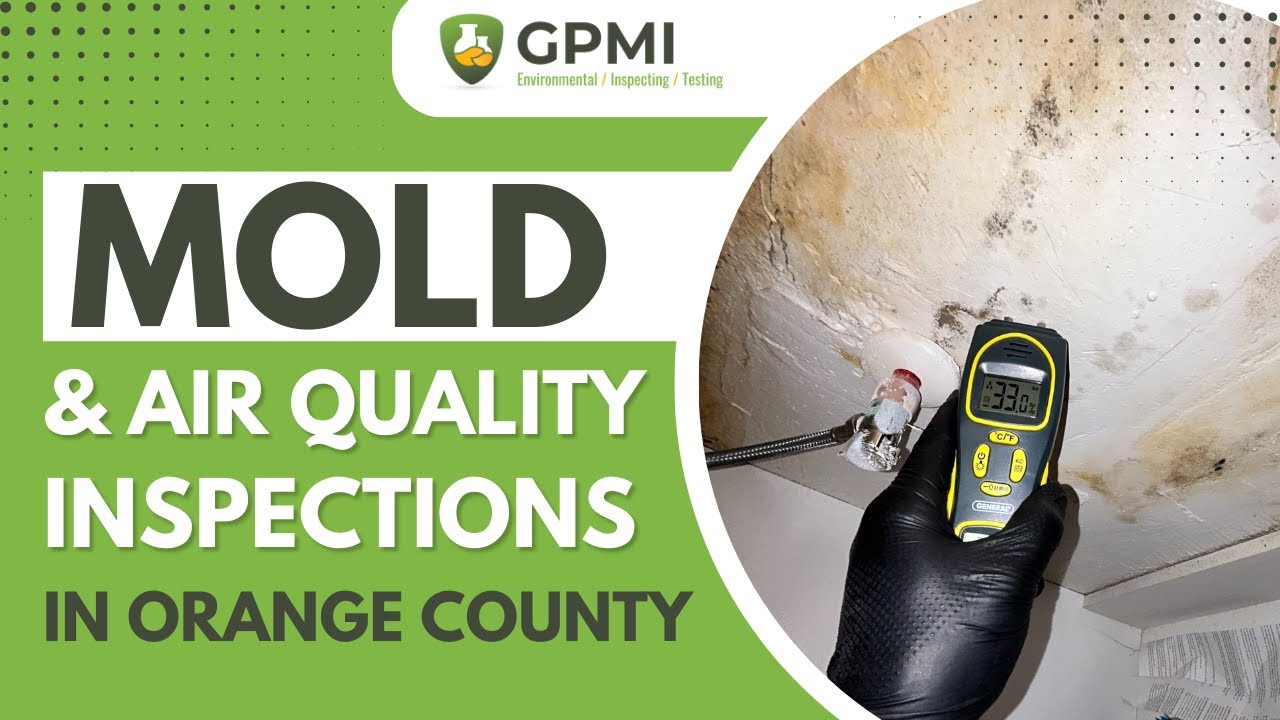
Comprehensive mold and air quality inspection
What you get

The right panel for your concern

We tailor the sampling to your situation rather than running a generic test, and an accredited lab analyzes every sample so the findings hold up.

Airborne mold spore samplingVOC & contaminant testingBaseline comparisonClear written report
Book an Inspection
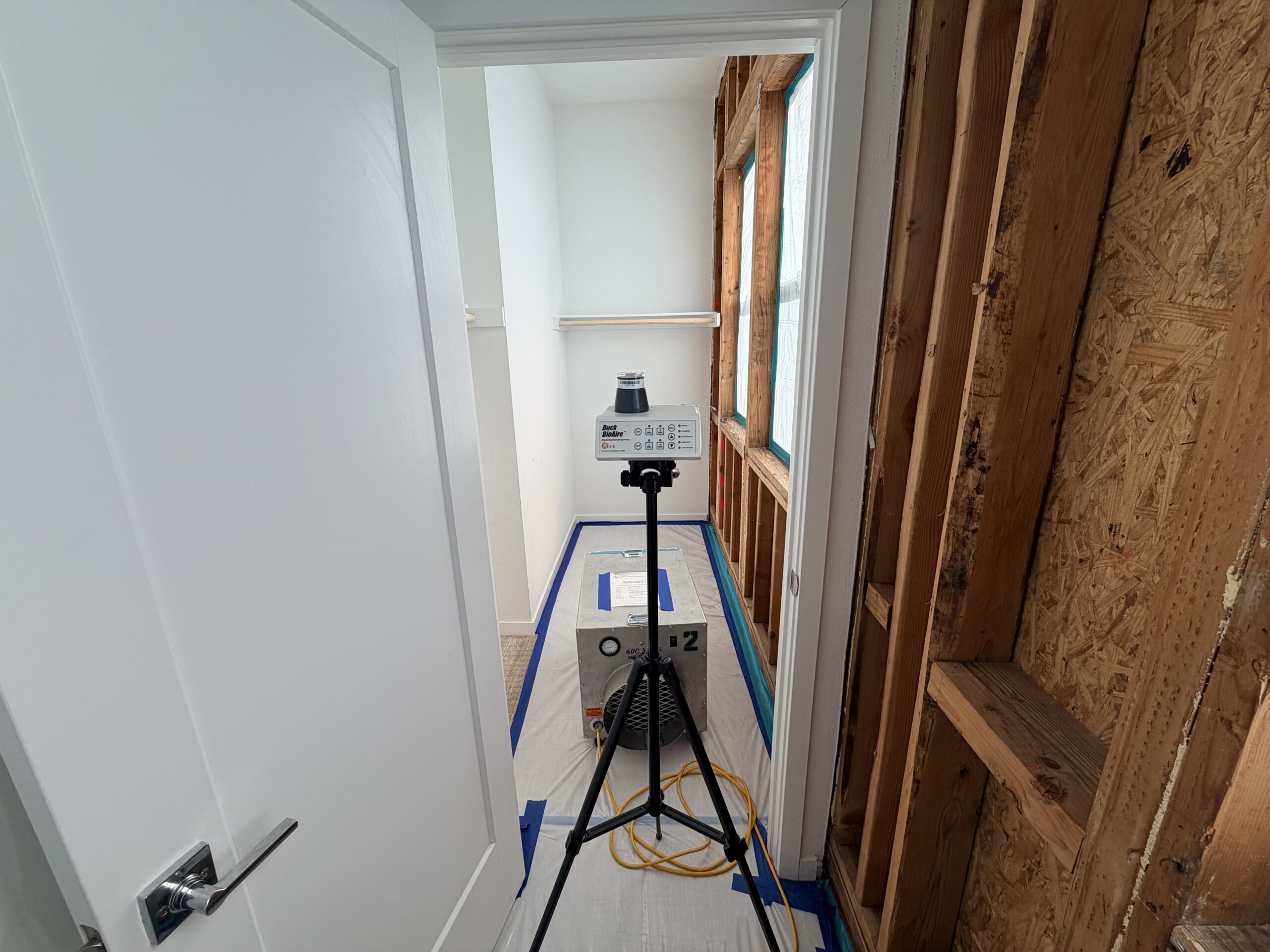
Air quality sampling after water intrusion
What we measure

The contaminants an air quality test can detect

Each test pairs a sample from the suspected area with an outdoor baseline, so the numbers mean something. For prolonged-exposure concerns we can run a 24 to 48 hour monitoring cycle rather than a single spot sample.

Airborne particles & biologicals

  • Mold spores and fungal enumeration
  • Particulate matter: dust, smoke, pollen, fibers
  • Total dander and fiber counts
  • Bacteria and viruses

Gases & combustion byproducts

  • Volatile organic compounds (VOCs)
  • Carbon dioxide (CO2) and carbon monoxide (CO)
  • Formaldehyde
  • Radon (radon-222) and humidity load

Poor indoor air can show up as irritated eyes, nose, and throat, shortness of breath, aggravated asthma, headaches, or fatigue, and it hits children, seniors, and immune-compromised occupants hardest. Samples are analyzed by an accredited laboratory and the report explains what each reading means against normal levels.
GPMI inspector documenting findings during an inspection

How your inspection works, in three steps

1

Schedule Your Inspection

Tell us what you are seeing or dealing with, and we book you the soonest appointment, often same-day, at a clear, itemized price.

2

On-Site Inspection & Sampling

We assess the property, locate the moisture source with meters and thermal imaging, and collect the air or surface samples the situation calls for.

3

Lab Report & Next Steps

An accredited lab analyzes the samples and you get a written report with the findings and clear next steps you can act on.

Why GPMI

Independent, so the findings stay honest

We inspect and test only, and never sell remediation, so what our report says is driven by the property, not by a cleanup we are trying to sell you. That independence, backed by accredited-lab analysis and our certifications, is why homeowners, buyers, attorneys, physicians, and insurers rely on our findings.

No remediation upsellAccredited-lab resultsCertified since 1998
Joseph Gutierrez, GPMI founder and Council-certified Structural Mold Investigator
Reviews

Rated 4.9 across 158 Google reviews

Orange County homeowners, buyers, and property managers on the inspection, the report, and the straight answers.

Read Our Reviews
Questions

Air quality testing FAQ

Straight answers from a certified, independent team.

What does an indoor air quality test actually measure?
Depending on what we scope, it can measure airborne mold spores, volatile organic compounds, particulates, pollen, dander and other allergens, and fibers. Every sample goes to an accredited laboratory, and the report explains what was found against an outdoor baseline taken at the same property. What it does not do is produce a single safe or unsafe verdict, because no agency publishes a threshold to measure one against.
Should I be worried about my indoor air if nobody in the house is sick?
Not necessarily, and we will say so. Most homes most of the time are fine. The situations that genuinely warrant testing are a water event, a persistent smell you cannot locate, a recent fire or nearby wildfire, a major renovation or new flooring and furniture, a purchase you are about to commit to, or symptoms that improve when people leave the house. Absent one of those, the money is usually better spent on ventilation and humidity control.
What is a healthy indoor humidity level?
Between thirty and fifty percent, which is the range the Environmental Protection Agency recommends. Mold needs moisture, so humidity is the lever you control. A ten dollar digital hygrometer from a hardware store will tell you where your house sits, and if it reads consistently above sixty percent you have a moisture problem to solve before you have a mold problem to pay for.
Do air purifiers actually help?
For particles, yes, within limits. A true HEPA filter captures dust, pollen, smoke particles, and airborne spores in the room it is in, which is genuinely useful. What a purifier does not do is remove volatile organic compounds without a substantial carbon stage, reach mold growing inside a wall, or fix the water causing it. And a filter left in past its service life becomes part of the problem, so change it on schedule.
Are the consumer air quality monitors any good?
They are useful as a trend line and unreliable as a measurement. A consumer monitor will tell you that particulates spiked when you cooked, or that humidity climbs every night in one room, and that is real information worth having. What it will not do is identify a mold species, distinguish one volatile compound from another, or produce a number that means anything in a claim or a dispute. Use one to notice patterns, then test when a pattern is worth explaining.
Should I have my air ducts cleaned?
Sometimes, and not routinely. The Environmental Protection Agency's position is that ducts should be cleaned as needed rather than on a schedule, and needed means visible mold growth inside the ductwork, vermin, or substantial debris being blown into rooms. Where a system has genuinely been contaminated by a water event, cleaning matters. Where it has not, duct cleaning is one of the most oversold services in home maintenance.
What are the main sources of indoor air pollution in a home?
Moisture and the mold that follows it, combustion appliances and fireplaces, tobacco smoke, building materials and finishes that release formaldehyde and other volatile compounds, cleaning products, and the heating and air conditioning system itself when it is dirty or wet. Newer, tighter homes concentrate all of it, because the same construction that saves energy also reduces the accidental ventilation older houses had.
What are the most dangerous indoor air pollutants?
The Environmental Protection Agency identifies cigarette smoke, formaldehyde, radon, and fine particulates as the four with the most serious documented health consequences. That list is worth noticing because mold is not on it, which does not mean mold is harmless, it means the indoor risks that get the least attention are often the ones that matter most.
How long does an air quality test take?
Each air test is a pair of samples, one from the area of concern and one outdoors as the control, and each sample runs roughly ten to fifteen minutes plus setup. Where the question is about prolonged exposure rather than a snapshot, we can run extended monitoring over twenty four to forty eight hours, which gives a truer picture of a home that changes through the day.
How often should I test the air in my home?
There is no schedule worth following, and we would rather you tested for a reason than on a calendar. Test after a water event, after a fire or heavy wildfire smoke, after a significant renovation, before buying, or when symptoms in the household follow the building. Between those, control the humidity and pay attention to smells, which is free and catches most of it earlier than testing would.
Can you test for volatile compounds after a remodel or new flooring?
Yes. New cabinetry, engineered flooring, adhesives, paints, and furniture all release volatile organic compounds, and formaldehyde in particular can persist for months in a tight house. If you have finished a project and the smell has not settled, or somebody in the household reacts in the new room, that is a reasonable thing to measure rather than wait out.
Request an inspection

Book your inspection

Tell us what you are dealing with and we will book you the soonest available certified, independent inspection, often same-day.

Prefer email? info@gpmoldinspection.com

Healthy homes, trusted answers. GPMI independent mold and environmental inspections.

Ready to test your indoor air?

Book a certified, independent inspection and get an objective, lab-backed report you can act on.

Privacy Policy · Terms of Use · Manage Cookies · Website by Outdooit · Digital Marketing for Home Services
Call NowBook an Inspection