★ Certified Mold & Environmental Inspection Since 1998  |  ACAC & IICRC CertifiedServing Orange County & Southern California  |  (949) 239-3727
Post-fire VOC air sampling in a corridor
Post-Fire VOC Testing

Post-fire VOC testing for what the smoke left behind

After a fire, we test for volatile organic compounds and smoke residue, even in rooms that did not burn, so you and your insurer know what remains in the air and on surfaces. Accredited-lab analysis, objective reporting.

ACAC & IICRC CertifiedIndependent, No Remediation UpsellAccredited-Lab Reporting
Post-Fire VOC Testing

Document what a fire actually left behind

Fire and smoke leave behind volatile organic compounds and residues that persist in the air and on surfaces long after the flames are out. Testing measures what is really there so cleanup and any insurance claim rest on facts, not assumptions.

What you get

Objective proof for cleanup and claims

We collect air and, where appropriate, surface samples for accredited-lab VOC and residue analysis, and because we do not do the restoration, our findings stay objective. We can retest afterward to verify the cleanup worked.
VOC & residue air samplingSurface residue testingInsurance-ready documentationPost-cleanup verification
Book an Inspection
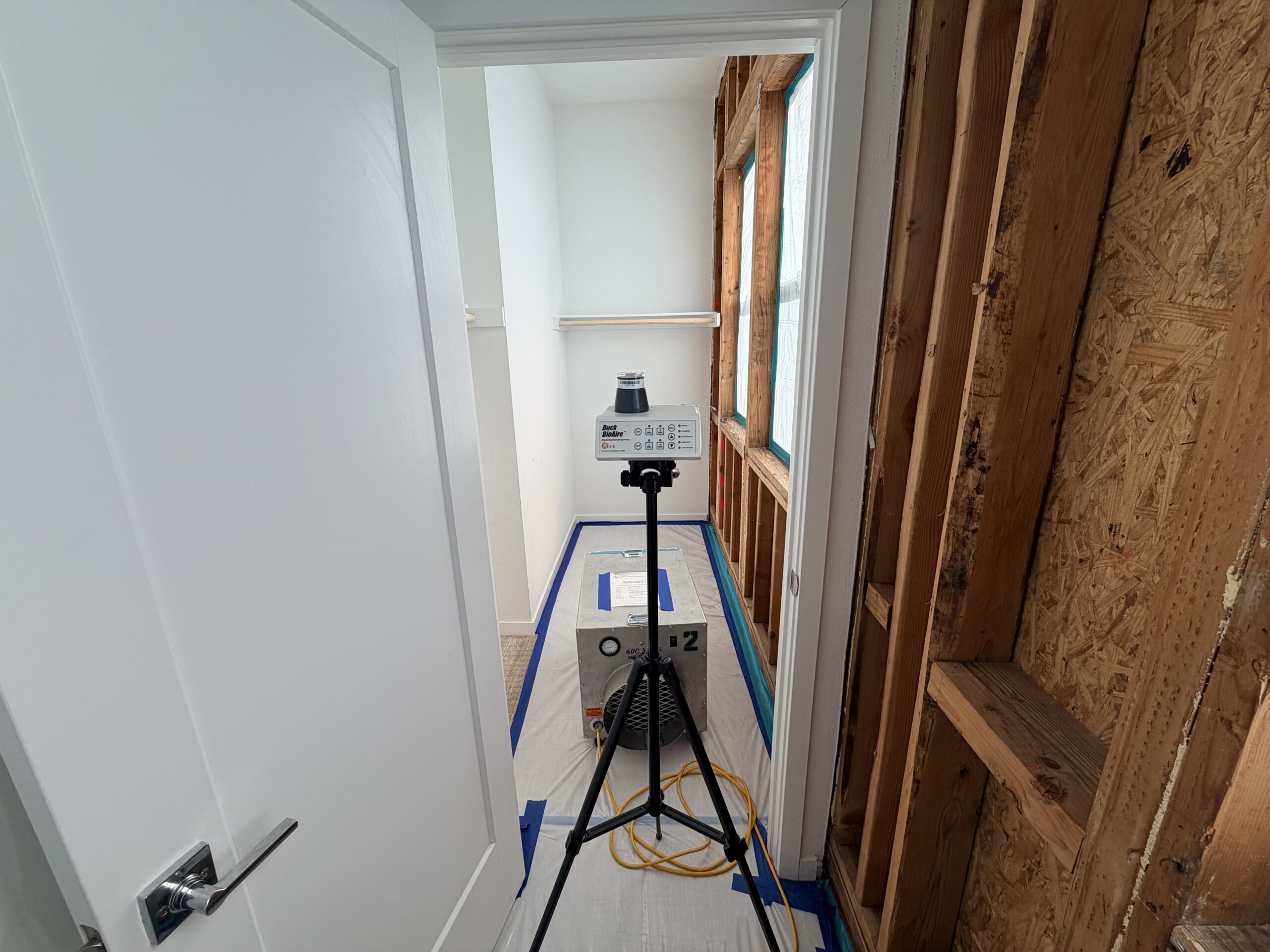
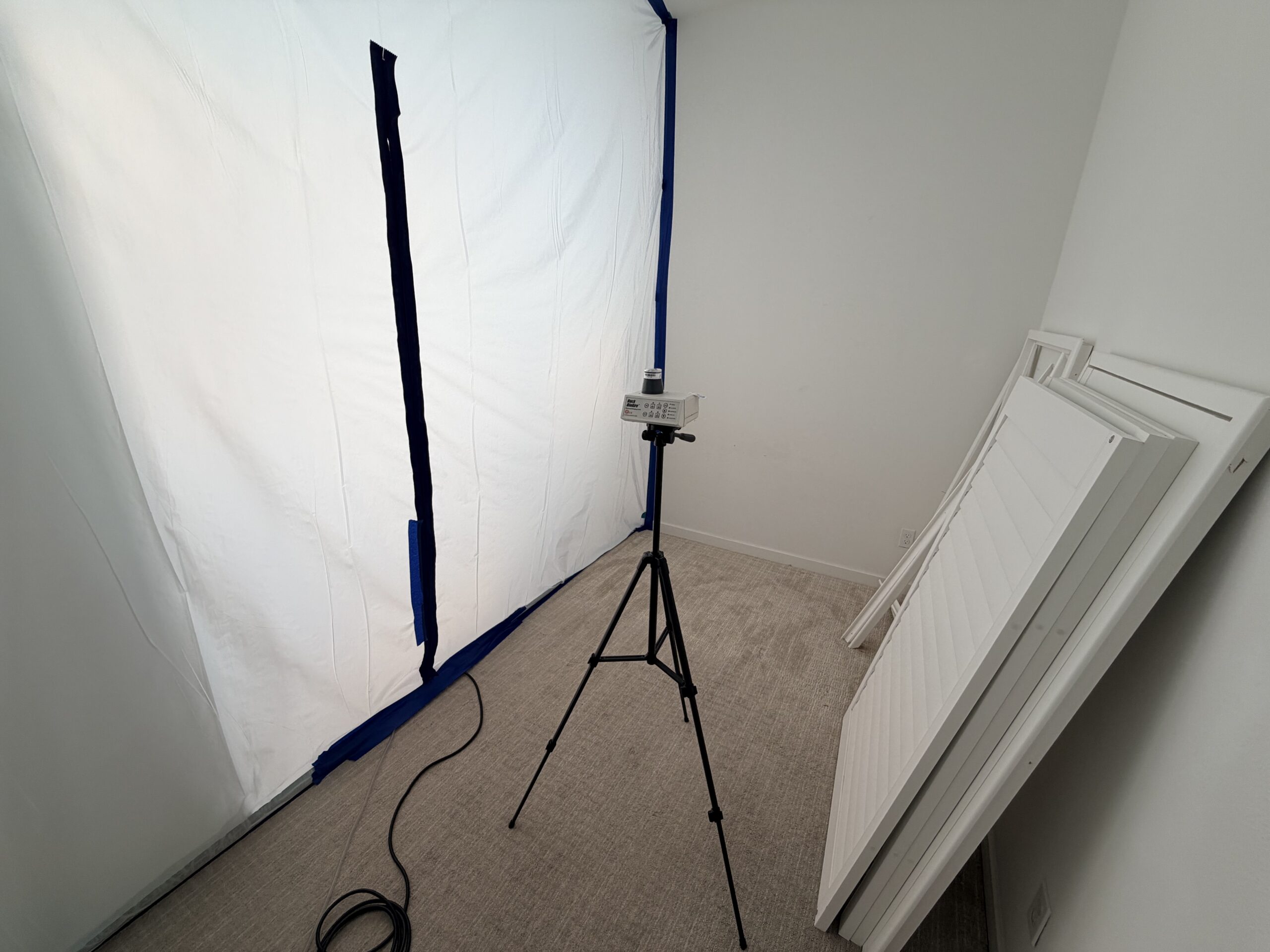
Air sampling pump for VOC testing
Recent Work

Air and VOC sampling in the field

Real GPMI field work, straight from our inspections across Orange County and Southern California.

What a fire leaves behind

The residues smoke leaves long after the flames are out

Fire and smoke travel, so rooms that never burned can still hold contaminants. We sample the air and, where appropriate, surfaces, even in untouched areas, and issue a clearance certificate designating the property safe for occupancy once cleanup is verified.

What we test for

  • Volatile organic compounds (VOCs) from burned materials
  • Soot and ash residue on surfaces
  • Chemical residues carried in smoke
  • Mold and mildew from firefighting water

How the process works

  • Air and surface sampling with industry-standard methods
  • Accredited-lab analysis of what remains
  • A detailed report of findings
  • Post-cleanup retest and clearance certification

Because we do the testing and not the restoration, our findings stay objective, which is exactly what your insurer needs to scope the cleanup fairly.

GPMI inspector documenting findings during an inspection

How your inspection works, in three steps

1

Schedule Your Inspection

Tell us what you are seeing or dealing with, and we book you the soonest appointment, often same-day, at a clear, itemized price.

2

On-Site Inspection & Sampling

We assess the property, locate the moisture source with meters and thermal imaging, and collect the air or surface samples the situation calls for.

3

Lab Report & Next Steps

An accredited lab analyzes the samples and you get a written report with the findings and clear next steps you can act on.

Why GPMI

Independent, so the findings stay honest

We inspect and test only, and never sell remediation, so what our report says is driven by the property, not by a cleanup we are trying to sell you. That independence, backed by accredited-lab analysis and our certifications, is why homeowners, buyers, attorneys, physicians, and insurers rely on our findings.

No remediation upsellAccredited-lab resultsCertified since 1998
Joseph Gutierrez, GPMI founder and Council-certified Structural Mold Investigator
Reviews

Rated 4.9 across 161 Google reviews

Orange County homeowners, buyers, and property managers on the inspection, the report, and the straight answers.

Read Our Reviews
Questions

Post-fire VOC testing FAQ

Straight answers from a certified, independent team.

My home did not burn, but it smells of smoke. Should I test?
Very possibly, yes. Smoke travels far beyond the fire and settles in rooms that never saw a flame, carrying volatile organic compounds, soot, and chemical residues from everything that burned, which in a structure fire or a wildland urban fire is a great deal more than wood. Odor is a signal that compounds are present. Testing tells you whether the levels justify cleaning, and later, whether the cleaning worked.
Why test for volatile compounds specifically?
Because they are the part you cannot see and the part that persists. Soot and ash you can find with your eyes and a wipe of a windowsill. Volatile organic compounds stay in the air and absorb into porous materials, carpet, upholstery, drywall, insulation, and release slowly for weeks or months afterward. That is usually what is behind a smell that keeps coming back after a surface clean.
How soon after a fire should I test?
Sooner is better, mainly because a claim is easier to support with a condition documented early than reconstructed later. That said, testing is useful at any stage, including after cleaning has been done, and including on a property you are being asked to accept as restored. If you are being pressed to sign off on something, that is a good moment to test.
Will testing help my insurance claim?
It gives your insurer objective, laboratory backed documentation of what the fire actually left behind, which is what a cleaning scope gets argued from. Because we do not perform restoration, our findings are not a bid for the work, which is exactly why they carry weight with an adjuster who has seen plenty of reports written by the company hoping to do the job.
Can you retest after the cleanup to confirm it worked?
Yes, and we recommend it where the loss was significant. Post-cleanup testing shows whether levels have returned to a normal baseline for the property, which is independent verification rather than the restoration contractor's own assurance. It is the same principle as mold clearance, and it matters for the same reason.
How long after a fire is the air safe to breathe?
There is no fixed number, and anyone who gives you one is guessing. It depends on what burned, how far the smoke traveled, how much got inside, and how thoroughly it was cleaned. That is precisely why measuring beats waiting. We test, compare against a normal baseline, and tell you where the property actually stands rather than when a rule of thumb says it should be fine.
Is there a test that proves my home is safe?
No, and it is important that you hear that from us rather than discover it later. Los Angeles County's own post-fire public health guidance says directly that no laboratory test can determine whether a property is safe, and that results must be interpreted in context with the conditions. What testing gives you is measured facts about what is present, against which decisions about cleaning, occupancy, and a claim can be made sensibly. It is evidence, not a certificate of safety.
If there is no visible ash or soot and no smell, do I still need testing?
Often not. The public health guidance for homes that did not burn is that where there is no visible soot or ash on horizontal surfaces, no suspended particles, and no noticeable smoke odor, no specific remediation is needed. A simple wipe of a windowsill or a high shelf is a reasonable first check you can do yourself. Where that comes back clean and nobody is reacting, we would rather tell you to save your money.
Can firefighting water cause a mold problem?
Yes, and it is the second problem people forget while dealing with the first. Water used to fight a fire soaks into wall cavities, subfloors, and insulation, and if the building is not dried properly within the first few days, mold follows within weeks. If your property took water during a fire, the mold question and the smoke question should be handled together, which is one visit rather than two.
Who should do the cleanup?
A professional restoration company, not you, given what is in fire residue and how easily a household vacuum redistributes it. We stay out of that work entirely, which is the point. We test beforehand so the scope is based on what is actually there, and we test afterward so the result can be verified rather than assumed.
Request an inspection

Book your inspection

Tell us what you are dealing with and we will book you the soonest available certified, independent inspection, often same-day.

Prefer email? info@gpmoldinspection.com

Healthy homes, trusted answers. GPMI independent mold and environmental inspections.

Testing after a fire?

Book a certified, independent inspection and get an objective, lab-backed report you can act on.

Privacy Policy · Terms of Use · Manage Cookies · Website by Outdooit · Digital Marketing for Home Services
Call NowBook an Inspection