★ Certified Mold & Environmental Inspection Since 1998  |  ACAC & IICRC CertifiedServing Orange County & Southern California  |  (949) 239-3727
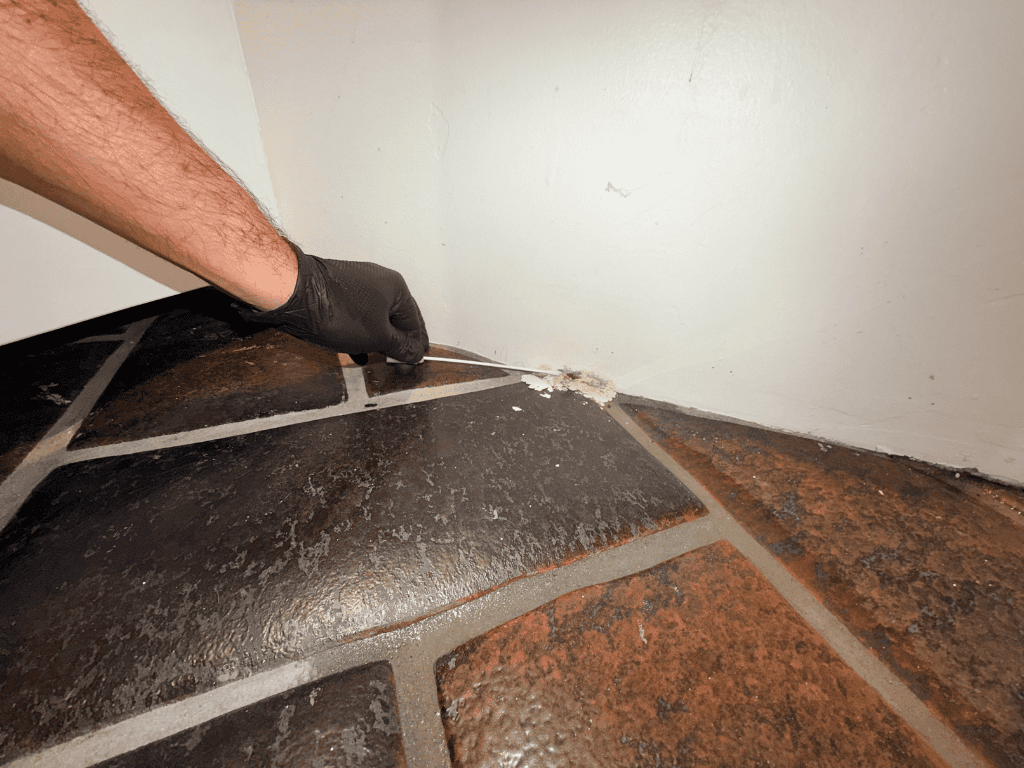
Environmental testing during a property inspection
Environmental Testing

Environmental testing beyond mold

For indoor environmental concerns beyond mold, we run targeted, accredited-lab testing and clear reporting so you understand exactly what is in your home or building.

ACAC & IICRC CertifiedIndependent, No Remediation UpsellAccredited-Lab Reporting
Environmental Testing

Targeted testing for a healthy building

Beyond mold and air quality, we assess indoor environmental concerns such as VOCs, moisture and water intrusion, and other contaminants, scoping the testing to your specific concern rather than running everything by default.

What you get

Scoped to your concern, lab-based

We recommend a targeted panel so you pay for the tests that answer your question, and every result is analyzed by an accredited laboratory with clear next steps.

VOC & contaminant testingMoisture & water intrusionResidential & commercialAccredited-lab reporting
Book an Inspection
Environmental inspection of a property
Beyond mold

What environmental testing can cover

We scope a targeted panel to your specific concern rather than running everything by default, and every result is analyzed by an accredited laboratory with clear next steps.

Building & air contaminants

  • Lead paint, banned from residential use in 1978
  • Formaldehyde from building materials and finishes
  • Volatile organic compounds (VOCs)
  • Allergen assays: dust mites, pet dander, cockroach, pollen
  • Electromagnetic fields (EMF)

Water & microbial testing

  • Water quality: lead, nitrates, pH, hardness, chlorine, pesticides
  • E. coli and total coliform indicators
  • Legionella in cooling and misting systems
  • Bacteria and viruses
  • Fecal contamination panels

Not sure which test you need? Tell us what you are noticing, an odor, a symptom, a water history, or a transaction requirement, and we recommend the panel that answers it.

GPMI inspector documenting findings during an inspection

How your inspection works, in three steps

1

Schedule Your Inspection

Tell us what you are seeing or dealing with, and we book you the soonest appointment, often same-day, at a clear, itemized price.

2

On-Site Inspection & Sampling

We assess the property, locate the moisture source with meters and thermal imaging, and collect the air or surface samples the situation calls for.

3

Lab Report & Next Steps

An accredited lab analyzes the samples and you get a written report with the findings and clear next steps you can act on.

Why GPMI

Independent, so the findings stay honest

We inspect and test only, and never sell remediation, so what our report says is driven by the property, not by a cleanup we are trying to sell you. That independence, backed by accredited-lab analysis and our certifications, is why homeowners, buyers, attorneys, physicians, and insurers rely on our findings.

No remediation upsellAccredited-lab resultsCertified since 1998
Joseph Gutierrez, GPMI founder and Council-certified Structural Mold Investigator
Reviews

Rated 4.9 across 158 Google reviews

Orange County homeowners, buyers, and property managers on the inspection, the report, and the straight answers.

Read Our Reviews
Questions

Environmental testing FAQ

Straight answers from a certified, independent team.

What does environmental testing cover?
Anything indoors that is worth measuring and is not mold. That includes volatile organic compounds, formaldehyde, lead paint, allergen panels, water quality, bacterial indicators, and electromagnetic field assessment. We scope a targeted panel to the specific concern rather than running everything by default, because a bundle you did not need is just a bigger invoice.
How do I know which test I need?
Start by telling us what you noticed. An odor, a symptom, a water history, an old house you are about to renovate, or a requirement somebody else has imposed on you. The concern points at the panel. If what you describe does not warrant testing, we will tell you that instead of selling you something.
Do you test for lead paint?
Yes. Lead paint was banned from residential use in 1978, so homes built before then are the concern, and the risk is highest when the paint is disturbed. If you are about to sand, scrape, or renovate an older property, testing first is far cheaper than remediating a house you have just filled with lead dust, and it is the single most consequential test in an old home with young children in it.
Do you test water quality?
Yes. We can test for bacterial indicators such as E. coli and total coliform, and for lead, nitrates, pH, hardness, chlorine, and pesticides. For buildings with cooling towers, decorative water features, or misting systems, we can also test for Legionella, which is a genuine risk in commercial and hospitality properties and is usually nobody's assigned responsibility until something happens.
Do you test for asbestos?
Not currently. We used to offer it and we have discontinued it, so that we can focus on mold, moisture, and indoor air quality and do those to a standard we are willing to defend. If you have a pre 1980s property with popcorn ceiling, floor tile, or pipe insulation you are about to disturb, get it tested by a firm that specializes in it before you touch it, and ask us and we will point you toward one.
Can you test for allergens like dust mites or pet dander?
Yes. Allergen panels can identify dust mite, pet dander, cockroach, and pollen levels in a home, which is useful when somebody has persistent symptoms and mold testing has come back unremarkable. It is a common outcome and a useful one, because the answer is usually cleaning, filtration, and humidity control rather than construction.
Do you assess electromagnetic fields?
Yes, we offer electromagnetic field and radio frequency assessment as part of a full environmental picture. We will be straight with you about the evidence, which is that the health effects claimed for typical residential exposures are not established the way the effects of mold, lead, or fine particulates are. Some people want the measurement, and we will take it accurately and report it without embellishment.
Do you test for formaldehyde?
Yes. Formaldehyde comes from engineered wood, cabinetry, laminate flooring, adhesives, and some insulation and fabrics, and it is one of the four indoor pollutants the Environmental Protection Agency singles out. Newer construction and recent renovations are where it shows up, and a tight, well sealed house holds onto it longer than a drafty one.
Can environmental testing be combined with a mold inspection?
Yes, and it usually should be where the concerns overlap. We coordinate the sampling into one visit where it is practical, which saves you a second appointment and a second mobilization charge, while keeping each set of findings clear and separate in the reporting.
Do you serve commercial buildings for environmental testing, or only homes?
Both. Offices, retail, multifamily, hospitality, medical, and institutional buildings all get the same targeted scoping, sized to the building and scheduled around your operations. For larger properties the sampling plan is built to the floor plan and the mechanical system rather than to a residential template.
Request an inspection

Book your inspection

Tell us what you are dealing with and we will book you the soonest available certified, independent inspection, often same-day.

Prefer email? info@gpmoldinspection.com

Healthy homes, trusted answers. GPMI independent mold and environmental inspections.

Ready for targeted testing?

Book a certified, independent inspection and get an objective, lab-backed report you can act on.

Privacy Policy · Terms of Use · Manage Cookies · Website by Outdooit · Digital Marketing for Home Services
Call NowBook an Inspection