

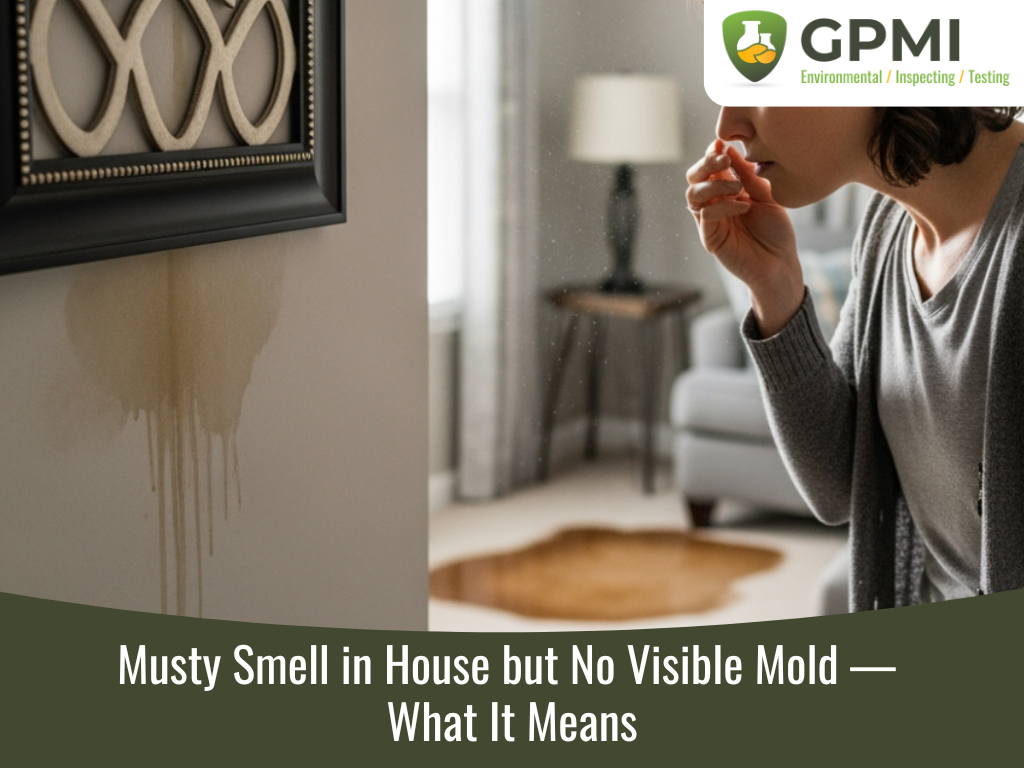
Musty Smell in House but No Visible Mold — What It Means
Why That Earthy Odor is a Warning Sign from Your Home
A musty smell in house but no visible mold typically means hidden mold or moisture is present somewhere you can’t see—behind walls, under flooring, in HVAC ducts, or within insulation. This odor comes from microbial volatile organic compounds (MVOCs) released by mold as it grows. Here’s what you need to know:
Common Hidden Sources:
- Behind drywall and baseboards (especially after water intrusion)
- Inside HVAC systems and ductwork
- Under carpets and padding
- In crawl spaces or attics with poor ventilation
- Around window frames or behind stucco exteriors (common in California)
Immediate Steps:
- Use your nose to locate the strongest odor area
- Check humidity levels (ideal range: 30-50%)
- Look for secondary clues like peeling paint, warped baseboards, or condensation
- Inspect common leak points: under sinks, behind toilets, around appliances
When to Call a Professional:
- The smell persists after cleaning visible areas
- You experience unexplained health symptoms (headaches, fatigue, respiratory issues)
- You find signs of water damage but no visible mold
- You’re buying or selling a property
You walk into your home and a persistent, earthy smell greets you. You’ve searched everywhere, but the odor remains. This isn’t just an annoyance; it’s your home warning you that something is wrong beneath the surface. That musty smell is caused by microbial volatile organic compounds (MVOCs)—gaseous waste products from mold and mildew. According to the EPA, a moldy odor means mold is likely growing and should be investigated, even if it’s not visible. The CDC also confirms that hidden mold can trigger health symptoms like coughing, sneezing, and headaches, especially for those with allergies or asthma.
The challenge is that mold thrives on moisture, darkness, and organic materials like drywall or wood. In California, specific construction features create unique vulnerabilities: stucco exteriors can trap moisture, slab-on-grade foundations can hide plumbing leaks, and modern, tight building envelopes often reduce ventilation. After heavy rain or a minor leak, mold can grow within 24-48 hours in these hidden spaces, releasing that musty smell long before it becomes visible.
This is where a systems-based approach becomes essential. Your home’s environment directly impacts your family’s well-being. Hidden moisture leads to mold, which releases MVOCs and potentially mycotoxins into your air. Breathing this contaminated air can lead to fatigue, brain fog, and respiratory issues—symptoms that often puzzle homeowners and doctors.
As founder of Guaranteed Property and Mold Inspection, I’ve spent over 15 years investigating musty smell in house but no visible mold cases in Orange and Los Angeles Counties. I’ve learned that the smell is almost always the first warning sign. Understanding what it means and where mold hides is key to protecting your property and your family’s health.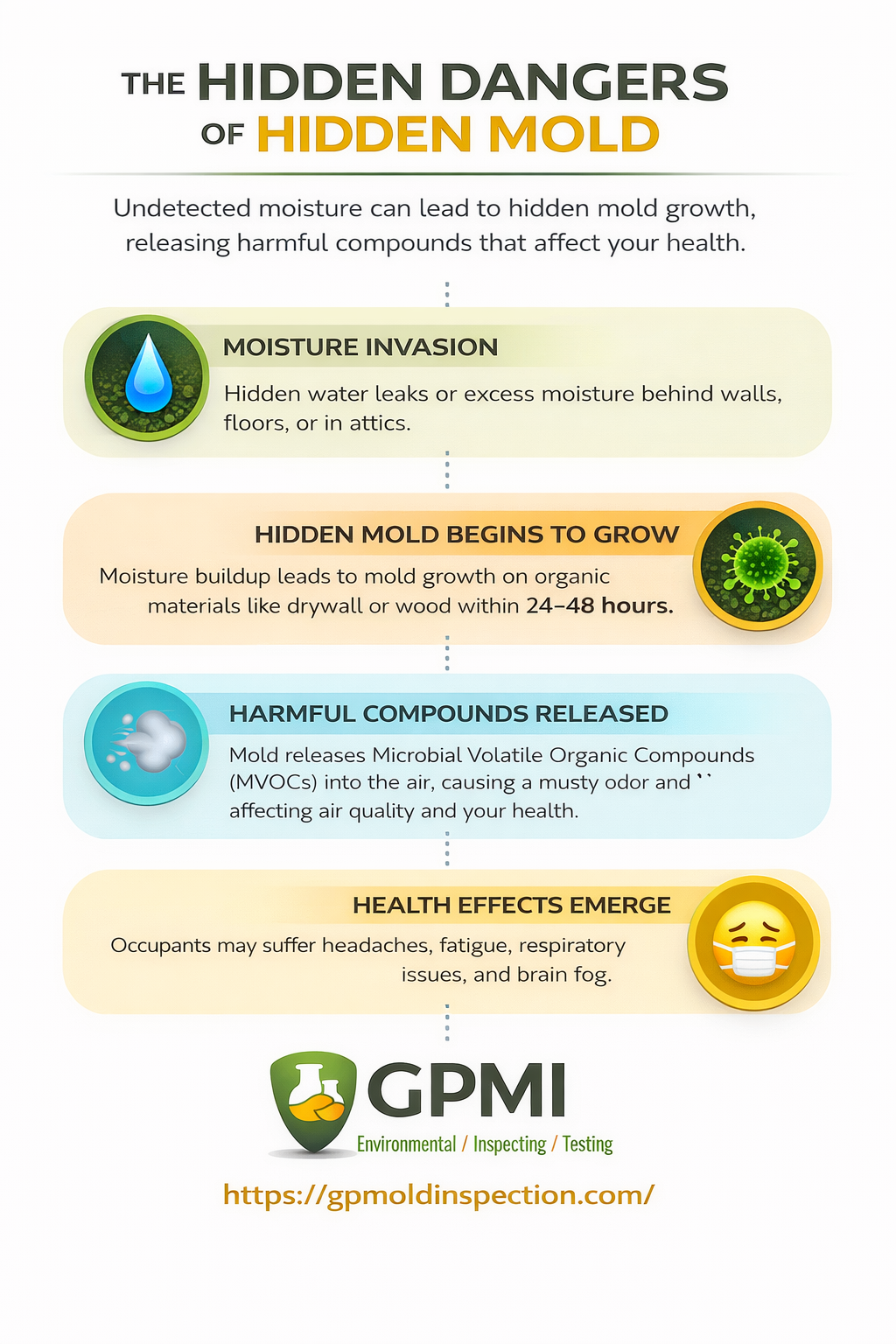
Why Your House Has a Musty Smell But No Visible Mold
That unsettling musty scent, even without a visible culprit, is a critical indicator that something is amiss in your home’s environment. Our job is to help you decipher these hidden messages your home is sending.
The Science Behind the Smell: MVOCs and Hidden Moisture
When you detect a musty smell in house but no visible mold, you’re smelling microbial volatile organic compounds (MVOCs). These are gaseous byproducts from mold breaking down organic materials. According to the EPA, these volatile compounds are the source of the characteristic “moldy odor.” The key ingredient for mold and MVOCs is moisture. The EPA emphasizes that controlling moisture is the key to controlling mold, and water-damaged areas must be dried within 24-48 hours to prevent growth. Exposure to MVOCs can cause headaches, fatigue, and nausea. For more on this, see our article on Poor Air Quality Symptoms. It’s also important to distinguish MVOCs (the smell) from mycotoxins (toxic compounds). The smell indicates active mold growth, which could potentially produce mycotoxins. Learn more in our guide to Mold Mycotoxins.
Common Hiding Spots for Mold in California Homes
Mold is a master of disguise, especially in California homes. When you have a musty smell in house but no visible mold, it’s often hiding in these common spots:
- Behind Drywall and Baseboards: Small leaks can saturate drywall, allowing mold to grow unseen inside wall cavities. This is common in Orange and Los Angeles County homes with stucco exteriors that can trap moisture. Learn more about Water Leaking from Walls.
- Under Carpets and Flooring: Spills that aren’t fully dried or moisture wicking up from a concrete slab foundation (common in California) create a perfect environment for mold.
- Inside HVAC Systems: Condensation in ductwork can foster mold, which then spreads spores and odors throughout the home when the system runs.
- Attics and Crawl Spaces: Poor ventilation and moisture from roof leaks or the ground make these neglected areas prime for mold. Our Attic Mold guide explains the risks. After heavy rainfall, the risk increases significantly, as detailed in our article on Mold After Rain California.
- Around Window and Door Frames: Failing seals and condensation can provide enough moisture for mold to take hold.
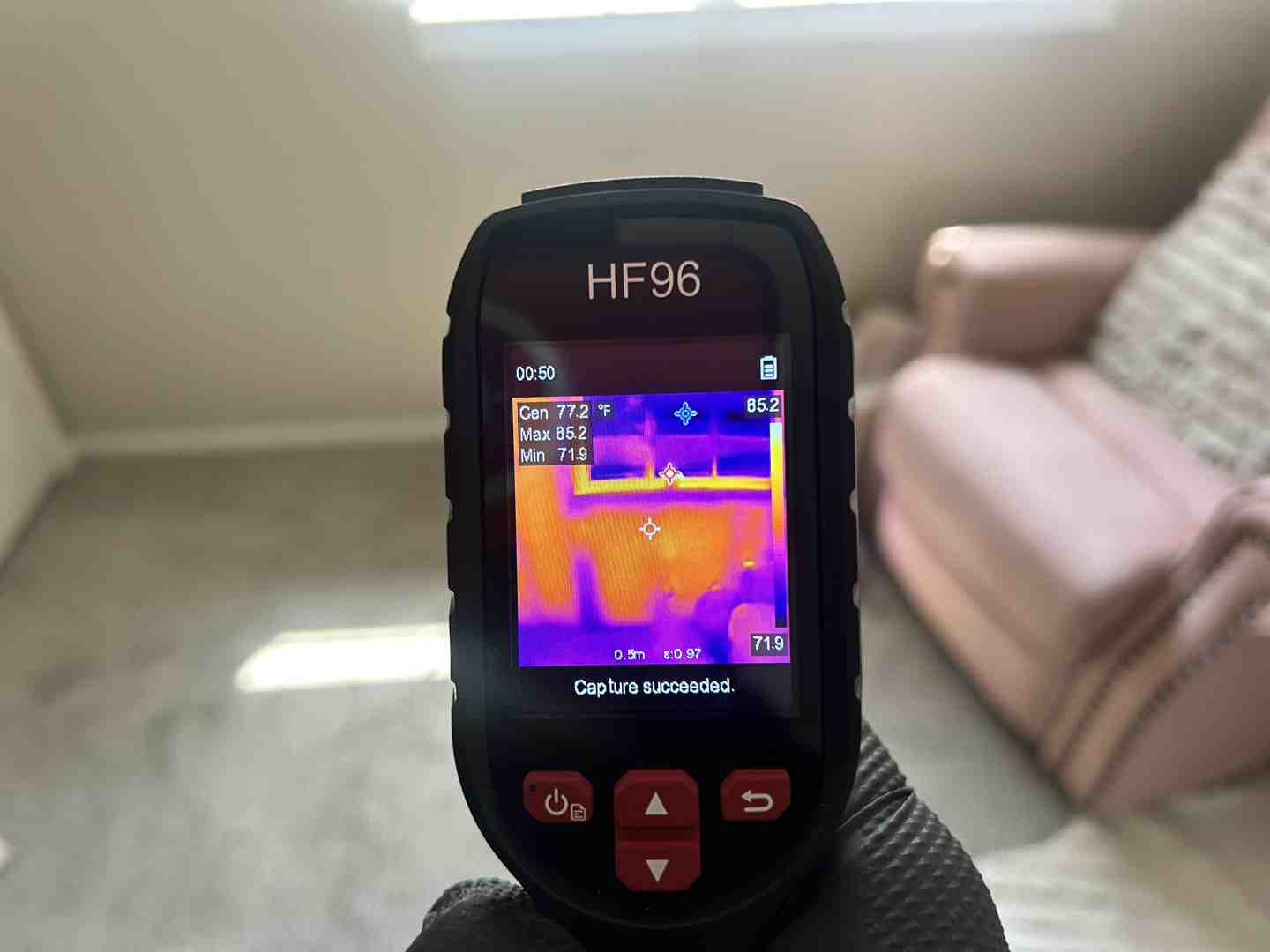
A thermal imaging camera can reveal hidden moisture behind walls, often indicating unseen mold growth.
These hidden locations are why a comprehensive investigation is crucial. We use advanced tools like thermal imaging cameras to detect temperature differences that indicate moisture behind surfaces, allowing us to “see” what the eye cannot and pinpoint the source of that pervasive musty smell.
How to Investigate a Musty Smell in Your House with No Visible Mold
Before calling professionals, you can play detective to narrow down the source of the musty smell in house but no visible mold:
- Follow Your Nose: The smell is usually strongest near the source. Sniff around rooms, closets, and vents to pinpoint the area of highest concentration.
- Check Humidity Levels: Mold thrives in high humidity. Use a hygrometer to ensure your indoor humidity is between 30-50%, the optimal Humidity Level to Prevent Mold.
- Look for Secondary Clues: Even without visible mold, you might find other signs of moisture:
- Peeling or bubbling paint
- Warped baseboards or flooring
- Condensation on windows or pipes
- Water stains on ceilings or walls
- Inspect Leak Points: Check under sinks, behind toilets, and around appliances like dishwashers and washing machines for slow drips or signs of water damage.
- Check Your HVAC System: A damp or dirty HVAC filter can harbor mold. Inspect it for discoloration or a musty smell. For a deeper analysis, consider professional How to Test Air Quality.
These DIY steps can help identify problem areas, but mold often hides deep within structures, requiring professional tools to find.
When a Professional Inspection is Your Best Next Step

While DIY investigation is a good start, it has its limits when dealing with a musty smell in house but no visible mold. You can clean surfaces and run dehumidifiers, but if the hidden moisture source isn’t fixed, the mold and smell will return.
The Limits of DIY for a Musty Smell in House But No Visible Mold
- Visual checks are insufficient: Mold thrives in inaccessible places like inside walls, under subflooring, and in insulation.
- DIY test kits are unreliable: Store-bought kits often give misleading results. They can’t tell you the type, concentration, or exact location of the mold growth, leading to a false sense of security or misplaced efforts.
- Health symptoms are a major red flag: The CDC notes that hidden mold can cause coughing, headaches, and other allergy-like symptoms. If your family experiences unexplained fatigue, brain fog, or worsening asthma that improves when you leave the house, it’s a strong sign you need a professional. Our article on Asthma Associated with Mold explains this connection.
- Property transactions require certainty: When Buying a House with Mold or selling one, a professional inspection is crucial to protect your investment and avoid future liabilities.
Store-bought mold test kits often provide unreliable or inconclusive results, making them inadequate for detecting hidden mold.
The Professional Mold Investigation Process
A professional mold investigation provides precise, data-driven analysis. At Guaranteed Property and Mold Inspection, we offer independent, unbiased inspections—our only goal is to give you accurate data, not to sell remediation. Our comprehensive Mold Investigation Process includes:
- Thorough Visual Inspection: We start with a detailed examination, looking for subtle clues of moisture like water stains or peeling paint, paying close attention to areas like bathrooms, kitchens, and crawl spaces.
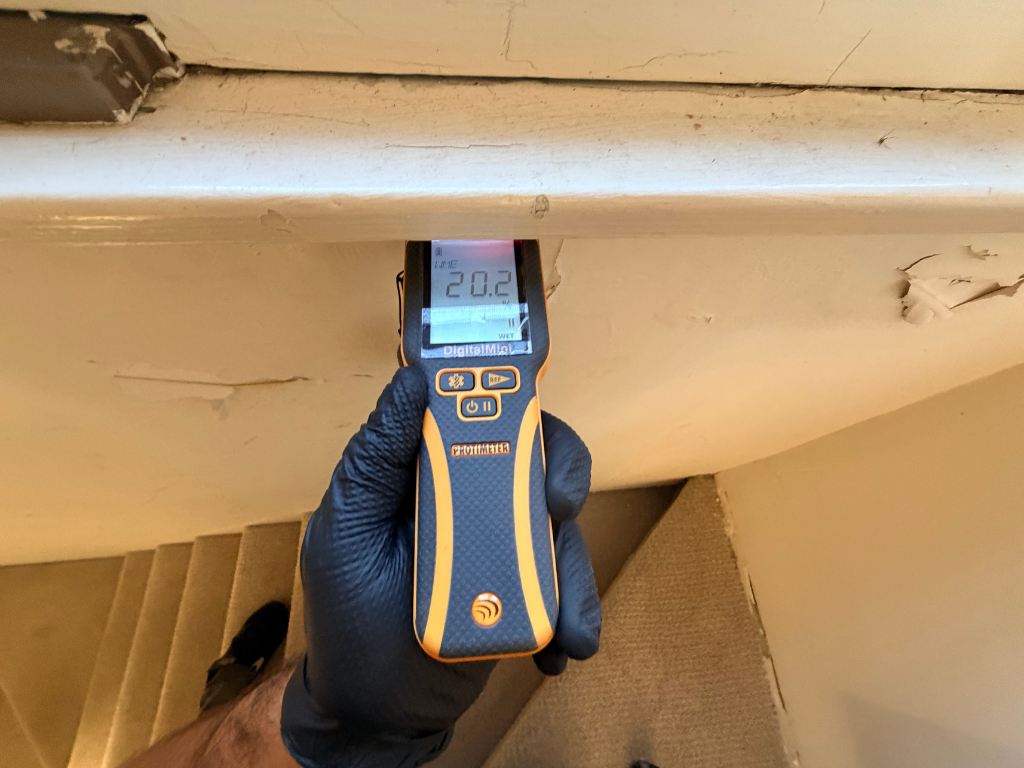
- Moisture Mapping: Using sensitive moisture meters, we detect liftd moisture levels in building materials like drywall and wood, even if they feel dry. This helps pinpoint hidden dampness.
- Thermal Imaging (Infrared Camera): An infrared camera reveals temperature differences on surfaces, allowing us to ‘see’ cool spots that indicate hidden moisture behind walls or under floors without any damage.
- Air Quality Testing: We use specialized pumps for professional Air Quality Testing to collect air samples. A lab analysis identifies the types and concentrations of mold spores, telling us if indoor spore counts are liftd compared to outside, which indicates active indoor growth.
- Surface Sampling: If we find suspicious discoloration, we may take swab or tape lift samples. Lab analysis identifies the specific mold types, which is crucial for assessing health risks.
This scientific data is compiled into a detailed report, giving you a clear understanding of the problem and its source.
A certified inspector uses an air sampling pump to collect data for air quality testing, helping to pinpoint hidden mold issues.
Your Next Steps: From Testing to a Healthier Home
Once our inspection is complete, you’ll receive a detailed report that is your roadmap to a healthier home. It will identify any hidden mold, pinpoint the moisture source, and provide clear recommendations. Simply removing mold isn’t enough; the underlying moisture problem must be fixed to prevent it from returning.
With over 22 years of experience, Guaranteed Property and Mold Inspection serves homeowners across Orange County, Los Angeles County, and surrounding communities. Our certified inspectors are committed to your family’s health and safety. Please note that our company does not diagnose or treat medical conditions. Our role is to provide objective environmental data through independent inspections—performed separately from remediation services—to support you and your physician. We can also provide referrals to medical professionals experienced in mold-related illness.
Don’t let a musty smell compromise your home or health. Schedule a professional Mold Inspection with us today to breathe easier in a home free from hidden dangers.
After addressing hidden mold, a clean and healthy home environment can be restored, ensuring peace of mind for your family.
References
- EPA: A Brief Guide to Mold, Moisture, and Your Home
- CDC: Facts about Mold and Dampness
- EPA: What does mold smell like?