


Mold inspection & testing in Huntington Beach
Certified, independent mold and environmental inspection in Huntington Beach. We inspect and test only, never remediate, so your report stays objective. Same-day inspections often available.
Why homeowners in Huntington Beach call us
Huntington Beach’s coastal salt air and beach-close homes see slab leaks and marine-layer humidity that feed mold behind walls and under floors. We inspect, find the source, and back every finding with accredited-lab testing.


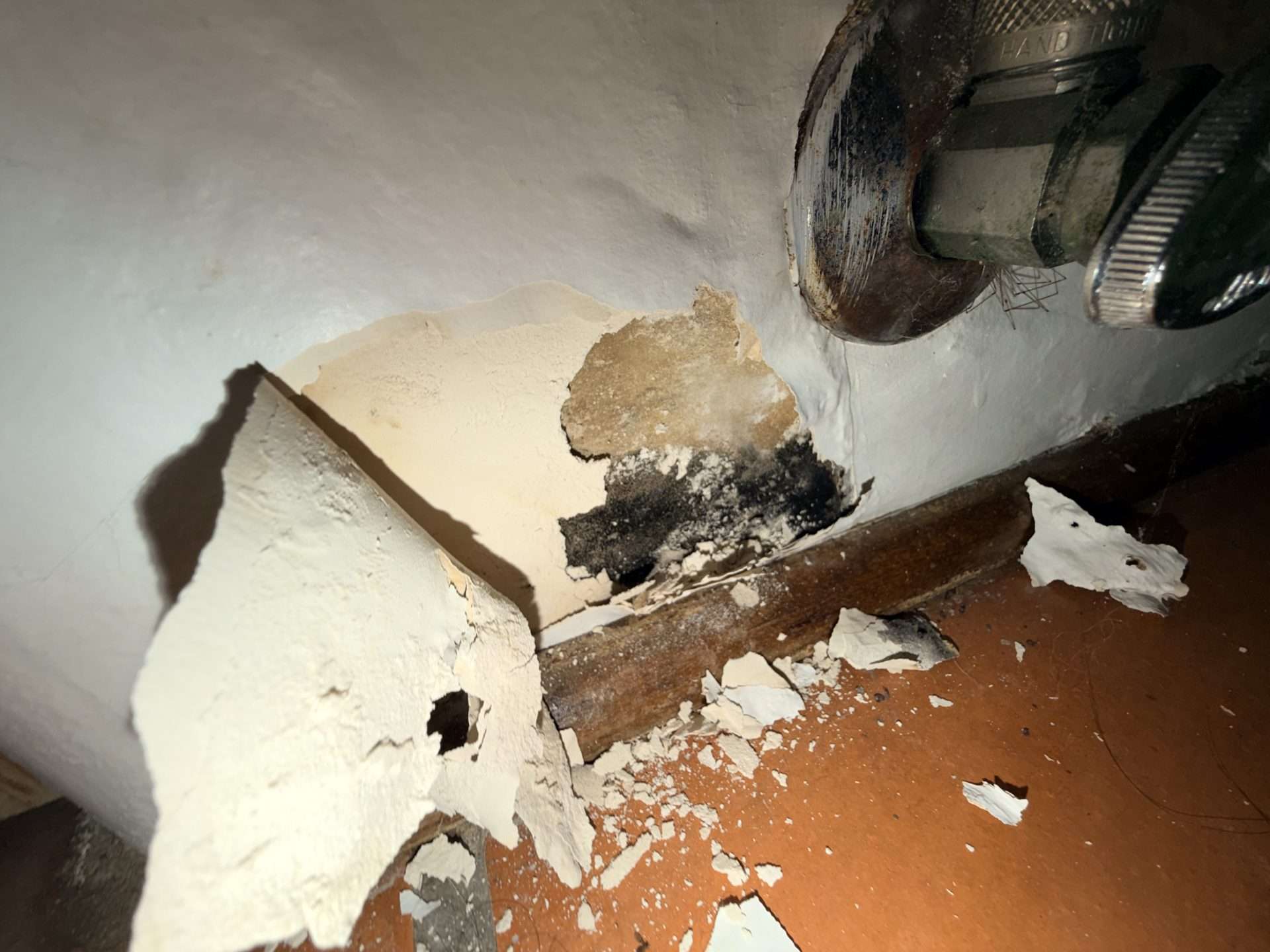
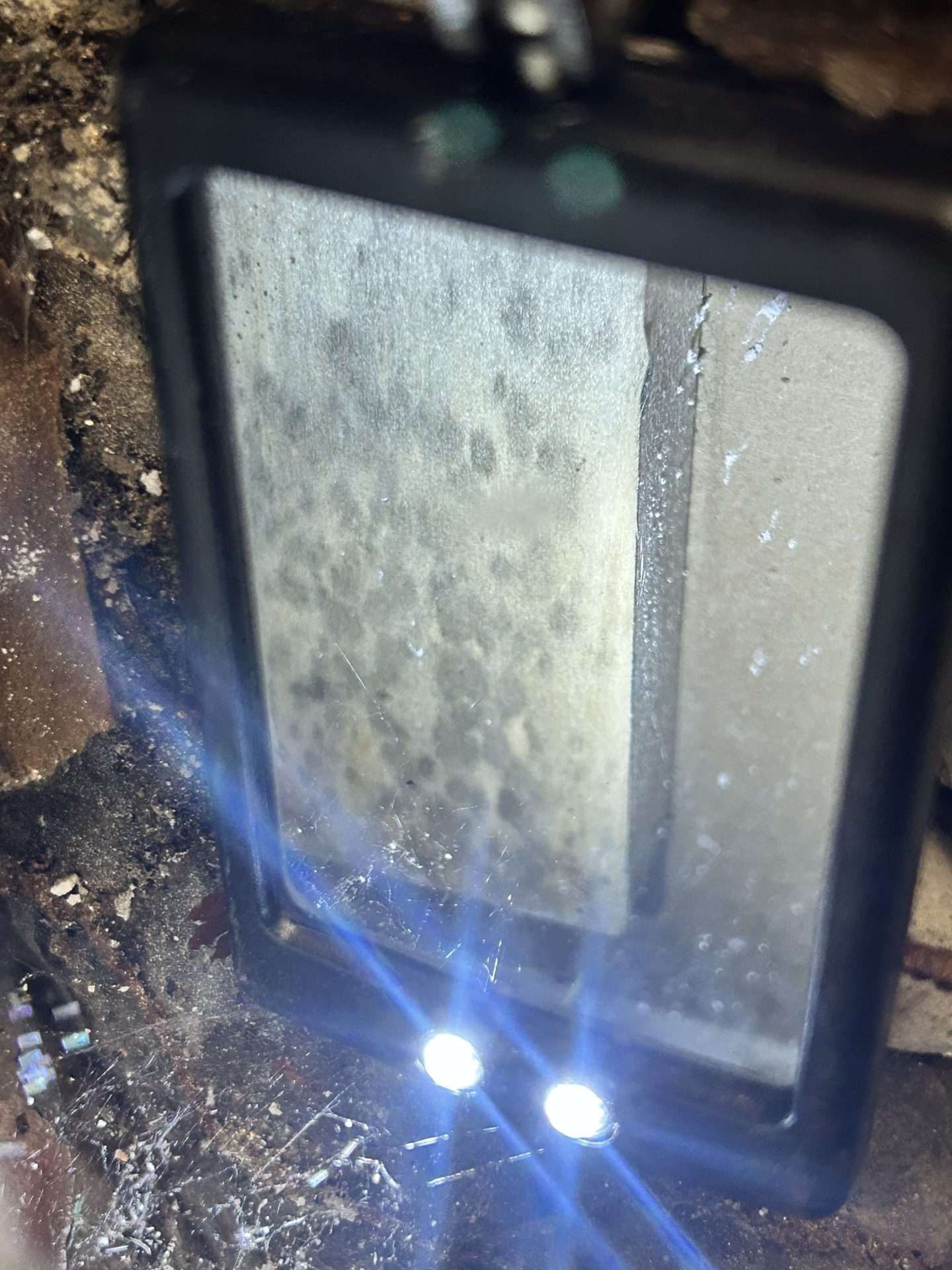
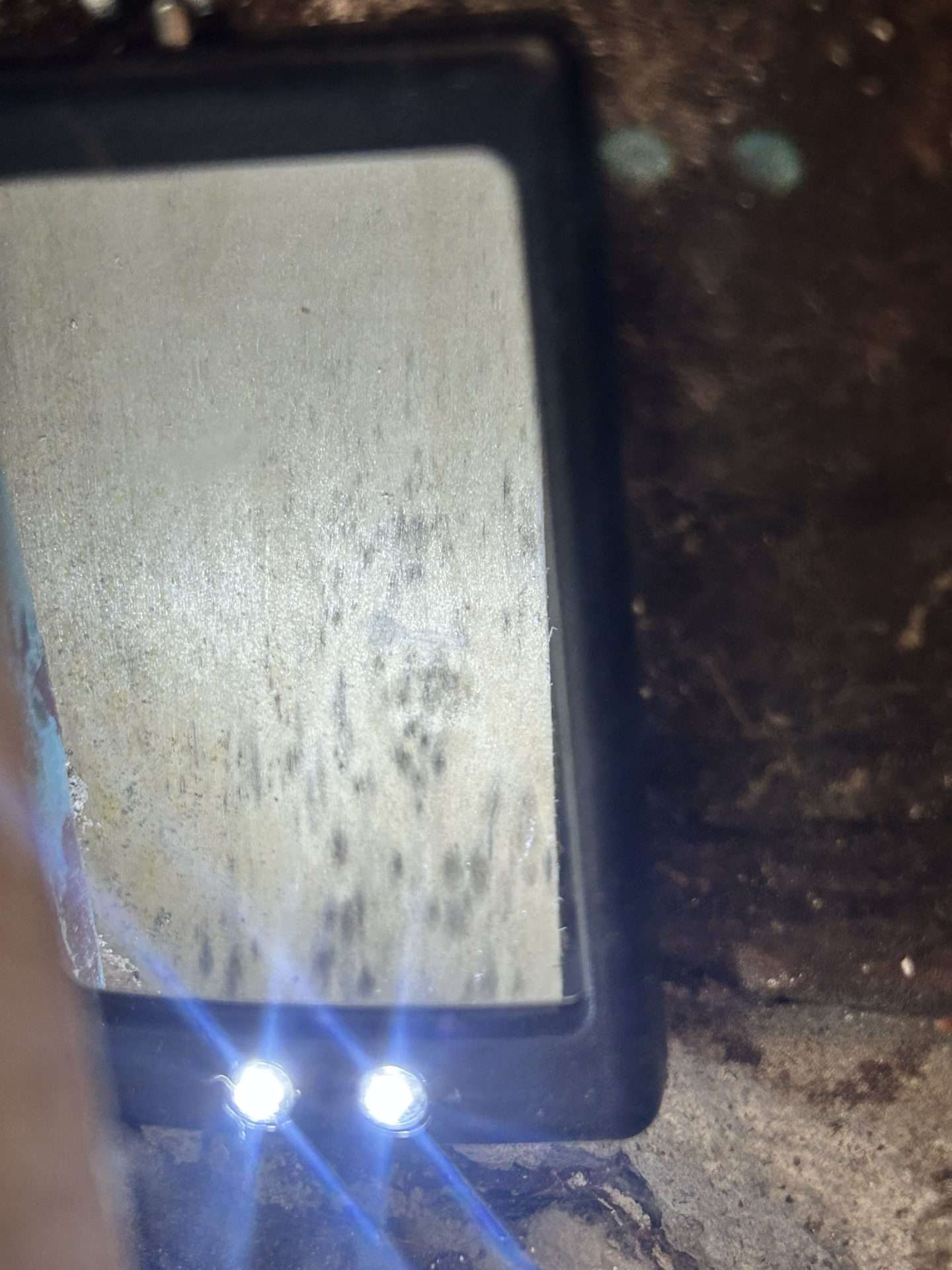
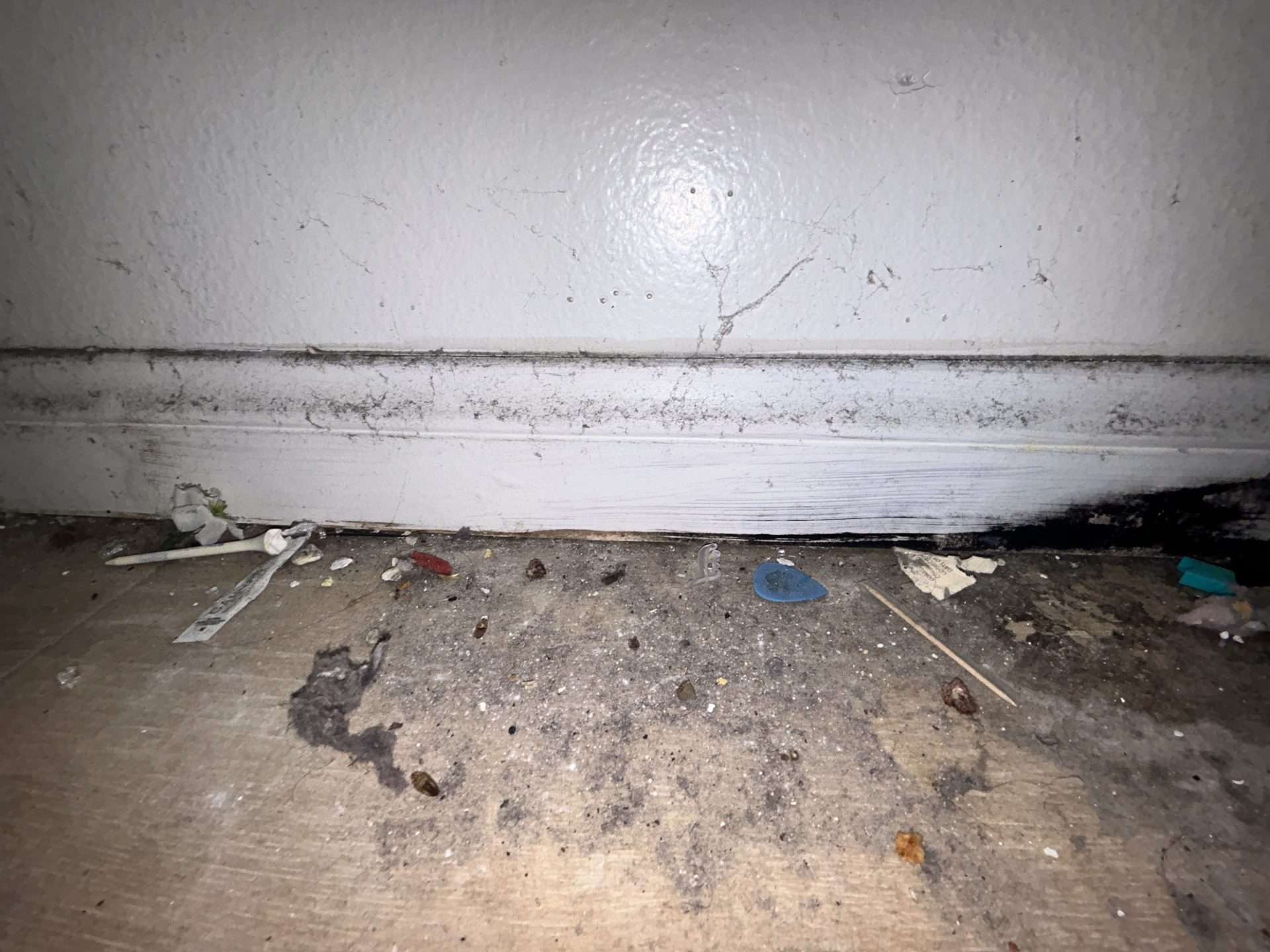
Real mold inspection findings in the field
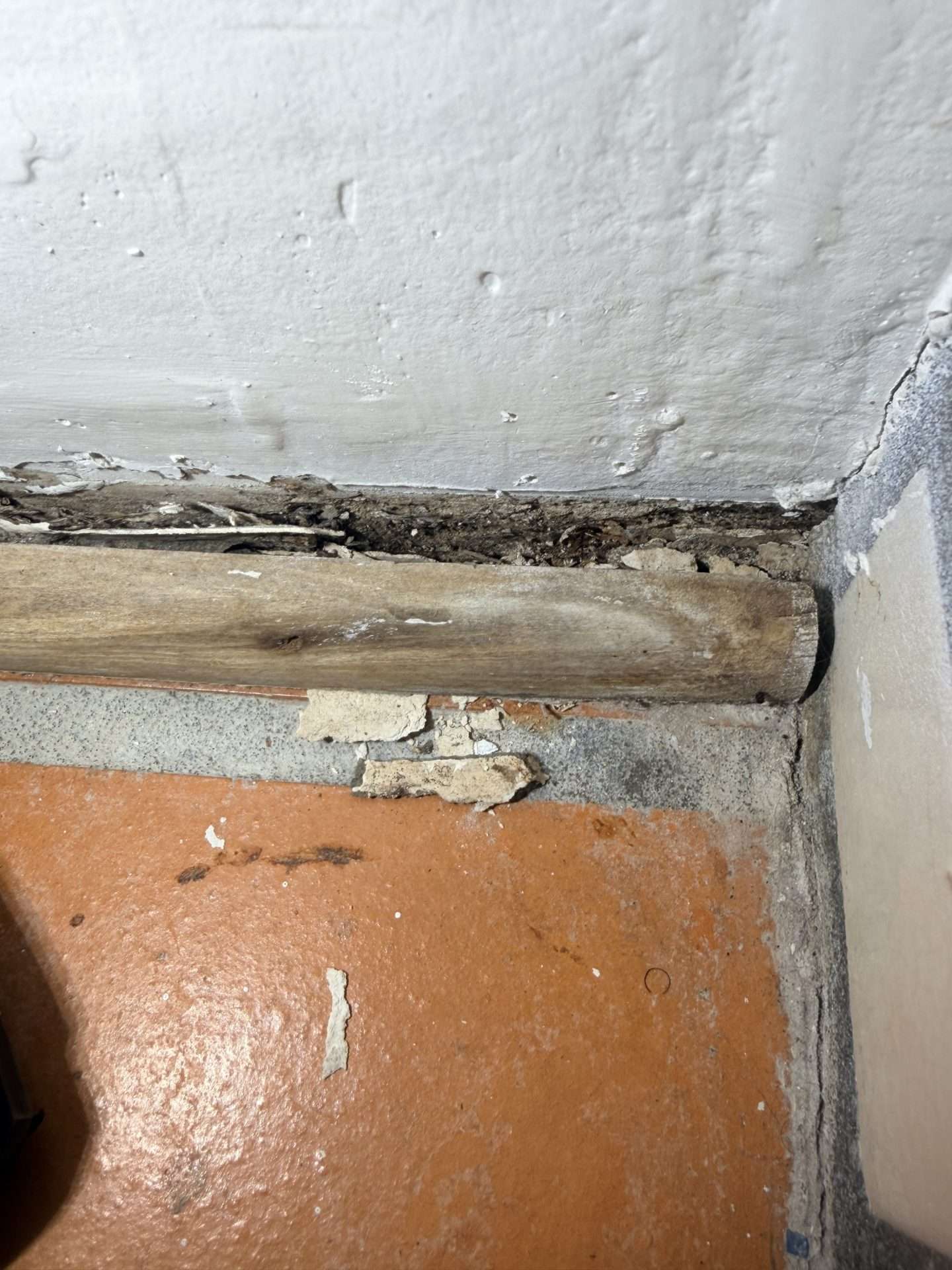
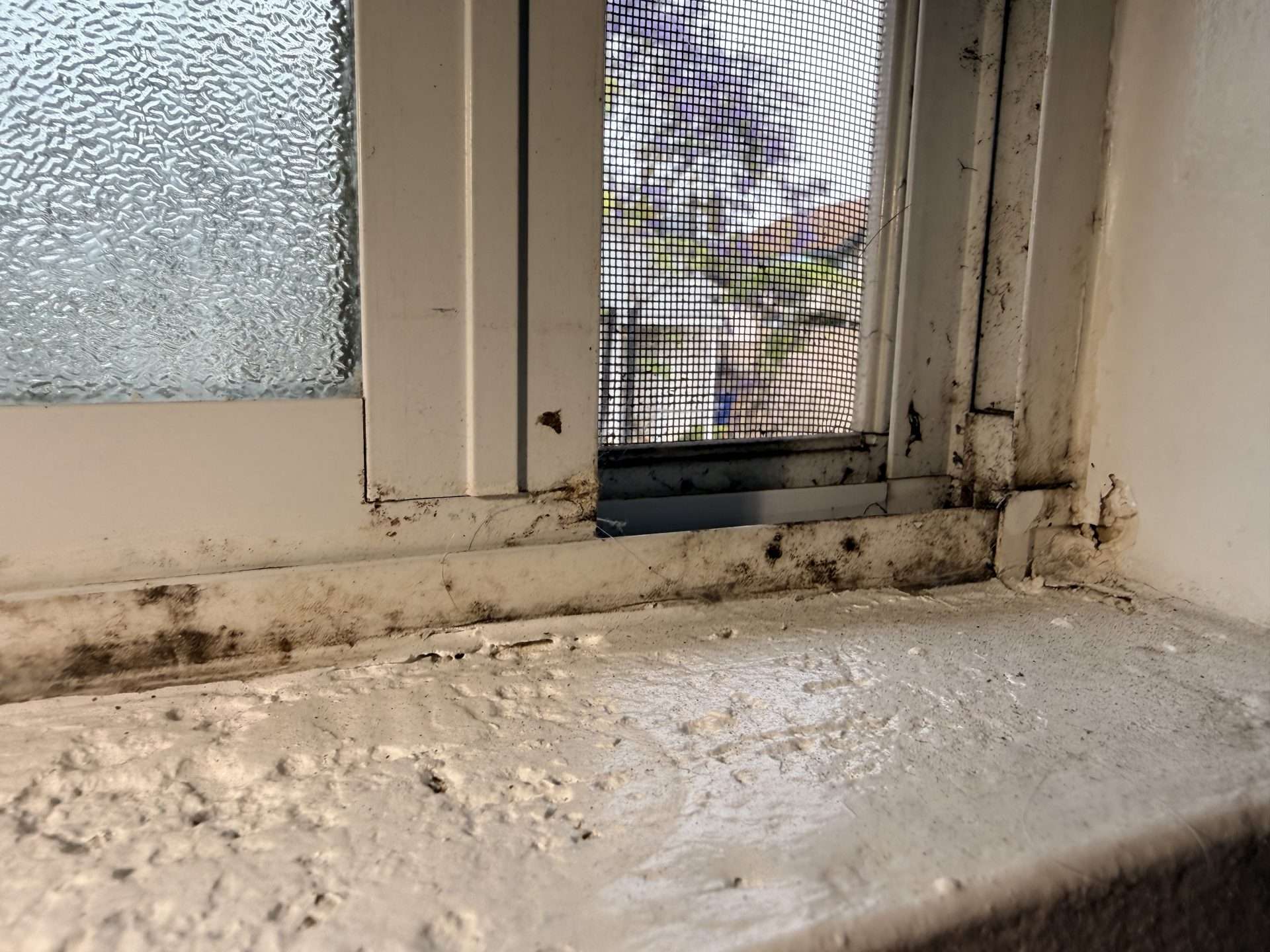
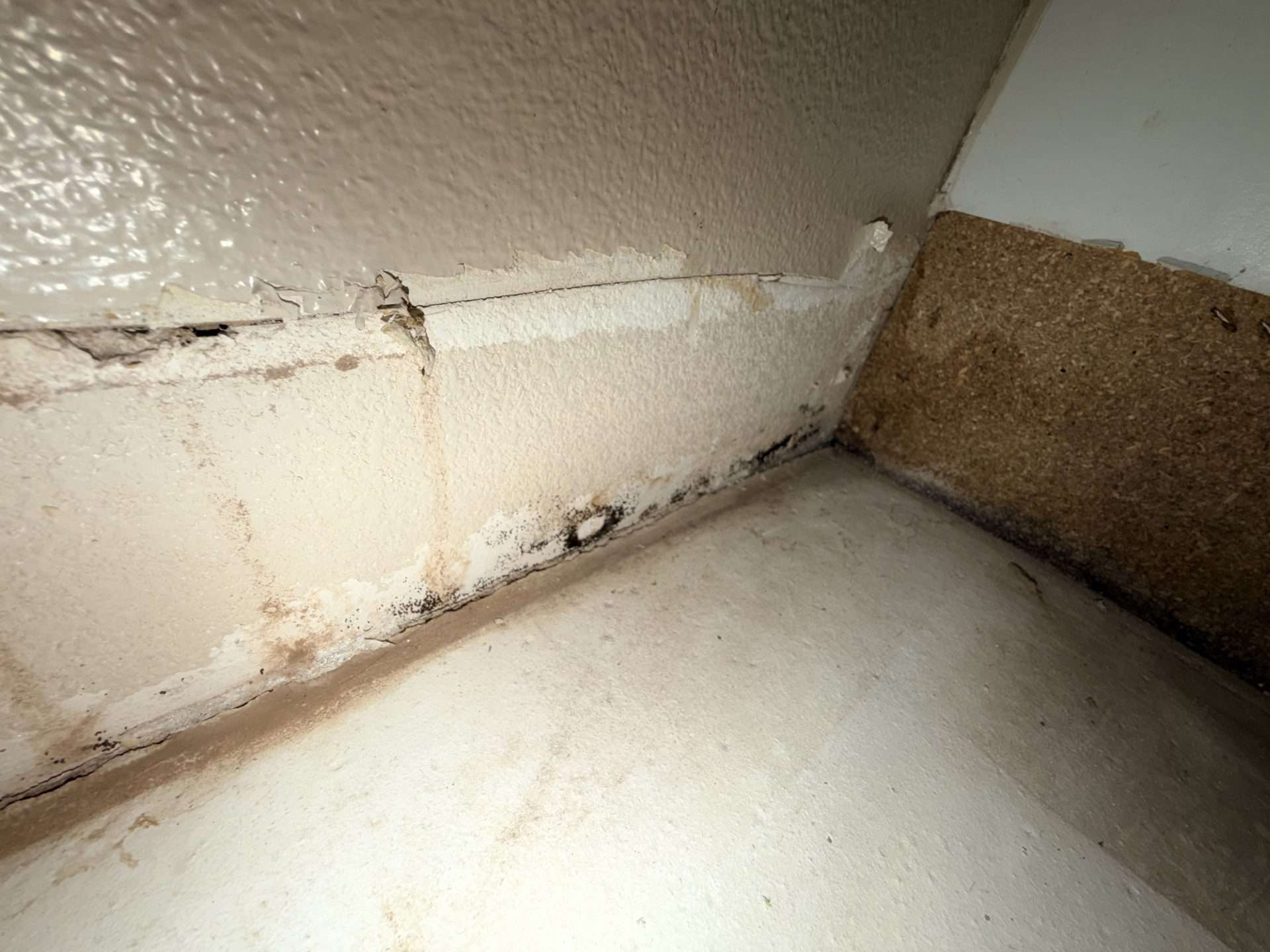
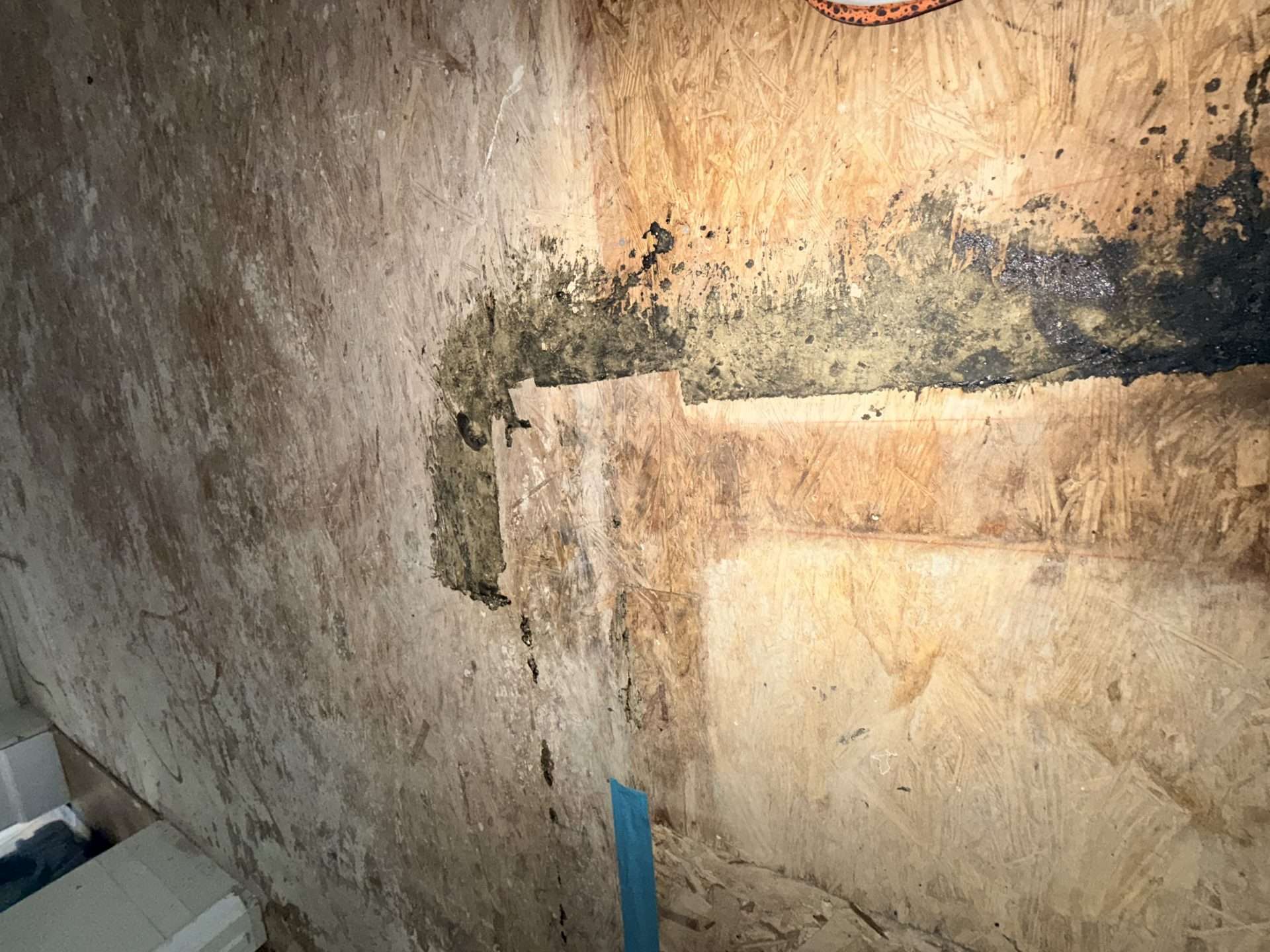
Real GPMI field work, straight from our inspections across Orange County and Southern California.
What we do in Huntington Beach
Independent, lab-based inspection and testing, reported the same careful way.


Independent, so the findings stay honest
We inspect and test only, and never sell remediation, so what our report says is driven by the property, not by a cleanup we are trying to sell you. That independence, backed by accredited-lab analysis and our certifications, is why homeowners, buyers, attorneys, physicians, and insurers in Huntington Beach rely on our findings.

Rated 4.9 across 161 Google reviews
Orange County homeowners, buyers, and property managers on the inspection, the report, and the straight answers.
Read Our ReviewsRecent inspection projects
Real GPMI case studies from across Orange County and Southern California, including our Huntington Beach post-remediation clearance and air quality sampling.
Common questions in Huntington Beach
Huntington Harbour homes sit directly on the water with docks and seawalls. What do you find there that you do not find elsewhere in the city?
The docks and seawalls add waterfront components that most homes elsewhere in Huntington Beach do not have. The house itself can develop familiar moisture problems, but salt exposure makes corrosion an additional concern.
We pay attention to exposed metal flashing and fasteners, waterfront doors and windows, and deck connections where water could enter the building. Corrosion can compromise components intended to keep water out, while deteriorated waterproofing can allow moisture into concealed wood framing.
We also compare indoor humidity with surface temperatures where condensation is suspected. A waterfront address alone does not establish a mold problem. Our focus is the home's moisture conditions. Evaluating seawall stability or submerged dock components requires a qualified marine or structural specialist.
Parts of Huntington Beach are low lying with a high water table near the wetlands. Does moisture come up through the slab in those areas?
Yes, moisture can move through a concrete slab, particularly where the soil beneath it stays damp and the under slab vapor barrier is missing, damaged or ineffective. Concrete can look dry on top while transmitting moisture vapor into the flooring assembly.
That can contribute to lifting flooring, adhesive failure, or damp materials beneath the finished floor. Liquid seepage through cracks or joints is another possibility and needs to be distinguished from vapor movement.
We would investigate the moisture pattern, drainage, irrigation and plumbing before attributing it to groundwater. Screening readings help locate concerns, but evaluating slab moisture for flooring may require in slab humidity testing. Proximity to the wetlands does not establish the water table depth beneath an individual house.
Much of the city is 1960s and 1970s tract housing. Is there a failure from that period you see repeatedly?
We would be careful about naming a single defect as a problem across all Huntington Beach homes from that period. The important question is which original components remain and how previous leaks and renovations were handled.
Where there is evidence of moisture, we give particular attention to older shower assemblies, concealed plumbing, roof flashing and window installations. A shower can have clean tile and fresh grout while the waterproofing behind it is compromised. Replacing windows or flooring also does not establish that earlier water damage was addressed.
We use the home's repair history, moisture readings and accessible building conditions to guide the investigation. The concern is whether water is reaching materials that remain damp enough to support mold growth.
What indoor humidity should I aim for in a Huntington Beach home?
We generally recommend keeping indoor relative humidity below 60%, with 30% to 50% as the preferred range where practical. We also look at what is happening at the building surfaces. A cooler exterior wall or closet can have moisture conditions that differ from the reading in the middle of the room.
In a coastal Huntington Beach home we would take readings in several locations and look for condensation, limited airflow and other moisture sources. A single reading on a dry afternoon does not describe the entire day.
If humidity stays elevated, the next step is to investigate ventilation, leaks, and whether dehumidification is needed. A comfortable temperature does not necessarily mean the home is adequately controlling moisture.
Will opening the windows prevent mold in a Huntington Beach home without air conditioning?
Opening windows can help when outdoor conditions allow the house to dry, but it is not a dependable solution by itself. Bringing moisture laden coastal air indoors may do little to reduce humidity.
We would compare indoor and outdoor moisture conditions, check bathroom and kitchen exhaust, and investigate any persistent dampness. Fans move air, but they do not remove water vapor from the home unless that air is exhausted or the moisture is otherwise removed.
For a home without air conditioning, a properly sized dehumidifier may help control humidity. It still cannot correct a plumbing leak, wet crawlspace, or water entering through the exterior. The solution should match the moisture source.
Why is mold growing behind my bed or inside a closet when there is no visible leak?
That pattern can occur when a cooler wall, elevated humidity and limited airflow combine. Furniture close to an exterior wall or a tightly packed closet can restrict circulation and allow damp conditions to persist.
We check the affected surface, nearby materials, humidity and temperature patterns. We also investigate the exterior and any nearby plumbing, because a concealed leak can produce similar signs.
The location helps guide the inspection, but it does not prove the cause. Moving furniture or cleaning visible growth may help temporarily. The important part is establishing why that surface is staying damp and whether materials behind it are affected.
Could my Huntington Beach home be contributing to allergy or asthma symptoms that improve when I leave?
That pattern is worth discussing with your healthcare provider and considering during a property assessment. Damp buildings and mold exposure can aggravate allergies or asthma in some people, but symptoms alone do not establish that mold is responsible.
From the inspection side, we look for water damage, persistent dampness, visible growth, musty odors and ventilation concerns. Depending on the complaint, other indoor sources may also deserve investigation.
Our role is to document building conditions and explain the environmental findings. Mold sampling cannot diagnose an illness or establish how an individual will react. The property assessment and the medical evaluation answer different questions, and both can be useful.
Can a musty smell when the air conditioner starts mean there is mold in the heating and air conditioning system?
It can justify investigating the system, but the odor alone does not confirm mold. We would consider the condensate pan and drain, accessible coils and insulation, and the return air area. An odor originating elsewhere in the house can also be drawn into the system.
Cooling produces condensation that should be collected and drained. Overflow, leakage, or persistently wet materials need attention.
We inspect accessible conditions and recommend a heating and air conditioning specialist where mechanical evaluation or additional access is needed. Replacing a filter or cleaning ducts alone may leave the source unresolved if the problem involves drainage, moisture or affected insulation.
After heavy rain in Huntington Beach, what signs suggest moisture is getting into the house?
Look for new staining, swollen baseboards, lifting flooring, damp cabinet bases, or an odor that appears after rain. Water can enter around windows, doors, roof connections or the foundation and travel before becoming visible.
We compare those interior signs with accessible exterior conditions, including downspouts, yard drainage, planting beds, and pavement sloping toward the building. The timing of the problem helps distinguish rain intrusion from plumbing or irrigation.
Materials can remain damp after the surface looks dry, so we use moisture measurements to guide the investigation. If floodwater entered, the water source also affects cleanup requirements and may warrant a qualified restoration contractor.
Do I need a mold test before addressing visible mold in my Huntington Beach home?
Not necessarily. Visible mold and moisture damage already warrant attention, and identifying the species is usually not required before correcting the moisture source and addressing affected materials.
We first establish the extent of the accessible problem and whether concealed areas may also be involved. Sampling can be useful when it answers a specific inspection question, but it should have a clear purpose. The useful outcome is an assessment explaining the moisture source, affected areas and appropriate next steps, not simply a laboratory result without building context.
Can testing investigate a chemical smell that comes into my Huntington Beach home from outside?
Yes, when the sampling method covers the suspected compounds and the odor can be captured. For an intermittent smell in Huntington Beach we would ask when it occurs, whether neighbors notice it, and how windows or ventilation affect the odor indoors.
Indoor and outdoor sampling during the same event may help interpret the findings. However, a general analysis for volatile organic compounds does not measure every gas or sulfur compound, and a sample collected after the odor disappears may miss the event. The South Coast Air Quality Management District has investigated gas, sulfur and chemical odor complaints along this part of the coast, so outdoor sources are worth considering.
The testing plan should explain what it can detect and its limits. A suspected natural gas leak requires an immediate utility or emergency response rather than waiting for indoor air quality testing.
Serving Huntington Beach & nearby
Ready to book in Huntington Beach?
Book a certified, independent inspection and get an objective, lab-backed report you can act on.